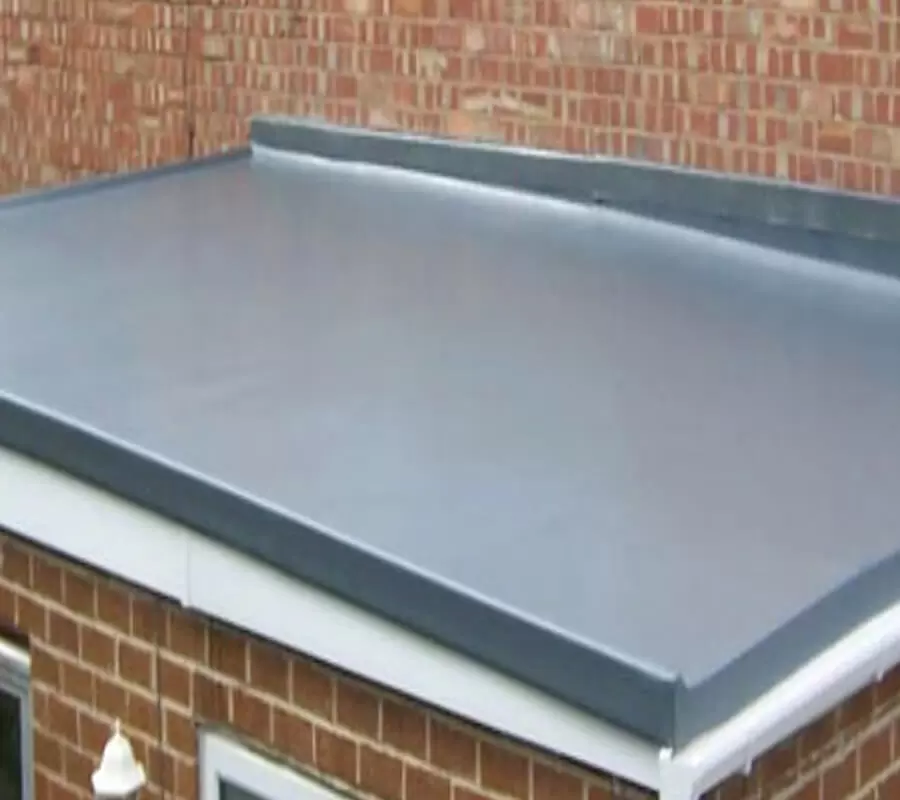
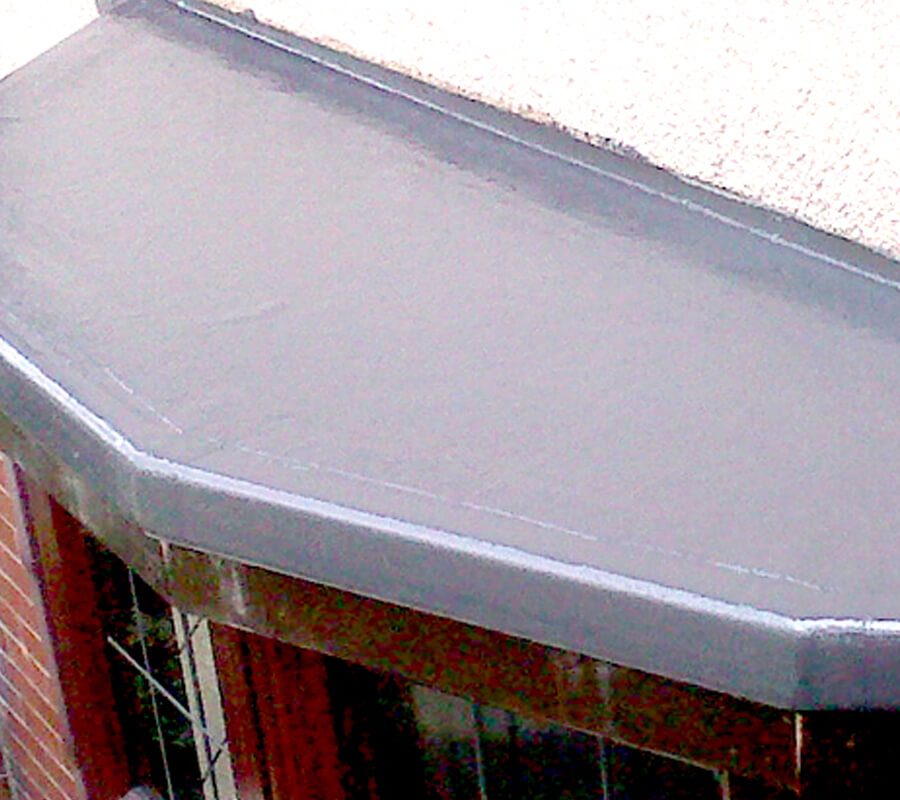
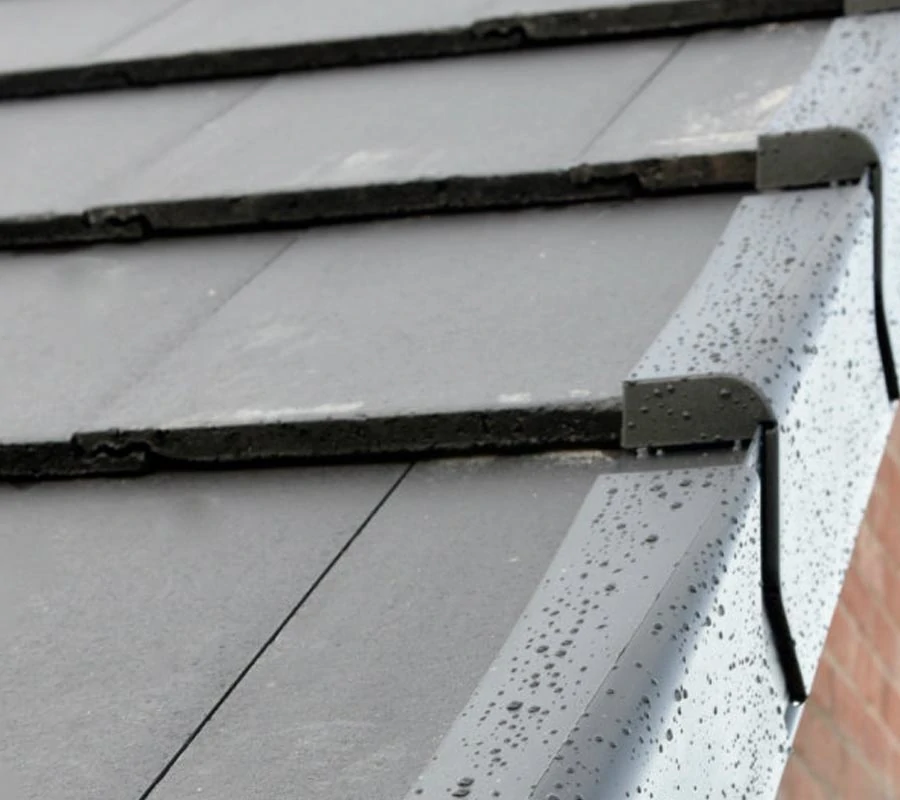
Green roofs are rapidly becoming one of the UK’s most popular eco-roofing solutions. Once seen mainly on commercial buildings or architectural showpieces, they are now increasingly common on homes, extensions, garden rooms, garages, new builds, and new buildings — especially in environmentally conscious areas like Brighton & Hove.
Green roofs offer multiple environmental, economic, and social benefits for both existing properties and new buildings, including improved sustainability, stormwater management, and enhanced urban biodiversity.
If you’re considering a green roof, this guide breaks down what they are, how they work, their benefits, costs, pros, cons, and installation requirements.
What Is a Green Roof?
A green roof (also called a living roof or eco-roof, and sometimes referred to as eco roofs or living roofs) is a roofing system that incorporates vegetation on top of a waterproof membrane. Instead of tiles or felt, the roof becomes a living layer of:
- Sedum
- Wildflowers
- Grasses
- Moss
- Low-maintenance plants
Green roofs can be completely covered with vegetation, not just partially, creating a fully vegetated surface.
Green roofs are designed with layers that support plant growth while protecting the roof structure. They can be used on flat roofs or low-pitch roofs, depending on design.
Types of Green Roofs
There are three main types:
These types represent different green roof systems, each with unique components and design considerations. Advances in green roof technology have made these systems more accessible and effective, offering improved sustainability and performance.
1. Extensive Green Roof (Most Common for Homes)
✔ Lightweight
✔ Low maintenance
✔ Utilizes a shallow growing medium (typically 8–12cm) and lightweight, engineered growing media designed for self-sustaining vegetation such as sedum or wildflower blankets
✔ Extensive roofs are ideal for retrofitting existing structures due to their minimal weight and maintenance requirements, in contrast to intensive green roofs that require deeper substrates and more upkeep
✔ Extensive green roofs offer environmental benefits like urban temperature regulation and stormwater management
Best for:
- Homes
- Extensions
- Sheds
- Garages
- Garden rooms
- Small commercial roofs
Depth: 8–12cm (shallow growing medium)
Maintenance: Once or twice a year
2. Intensive Green Roof (Roof Garden)
✔ Intensive roofs (also known as intensive green roofs) support a wider variety of plants, including shrubs, flowers, and small trees, due to their greater roof area and deeper substrate. ✔ The larger roof area required for intensive roofs allows for the inclusion of paths, seating, and planters, making them ideal for use as an intensive roof garden.
Best for:
- Large commercial buildings
- Roof terraces
- High-budget homes
Depth: 15–150cm
Maintenance: Regular gardening
3. Semi-Intensive Green Roof
Semi-intensive roofs, also known as semi intensive roofs, combine features of both extensive and intensive green roofs. With a moderate substrate depth, they support a wider range of plants, including larger species and shrubs, making them suitable for deeper wildflower systems.
How a Green Roof Is Built (Layer-by-Layer)
A correctly installed green roof system typically includes:
6.1 Vegetation Layer: The top layer consists of plants selected for their suitability to the local climate and rooftop conditions.
6.2 Waterproof Membrane: This acts as the primary roof membrane or waterproof layer, preventing water from penetrating the building structure. Roof membranes are essential for protecting the structure from water damage and are often paired with root barriers for added protection.
6.3 Insulation Layer: Provides thermal regulation, helping to reduce energy costs and maintain indoor comfort.
6.4 Drainage Layer: The drainage layer is a key part of the overall drainage system, ensuring excess water is efficiently channeled away from the growing media and roof membrane. Advanced green roof systems may use multiple drainage layers to optimize water flow and prevent waterlogging.
6.5 Filter Fabric: Prevents fine particles from clogging the drainage system while allowing water to pass through.
6.6 Growing Medium: The engineered growing media supports plant growth, provides nutrients, and facilitates drainage. Growing media often incorporate recycled materials to enhance sustainability and reduce environmental impact.
6.7 Irrigation System: An irrigation system may be included to maintain plant health, especially in drier climates or for intensive green roof systems.
The choice of roofing materials, including the irrigation system, is critical for plant health and the long-term performance of the green roof system.
1. Structural Deck
Timber, concrete or metal deck capable of supporting extra weight.
2. Waterproof Membrane
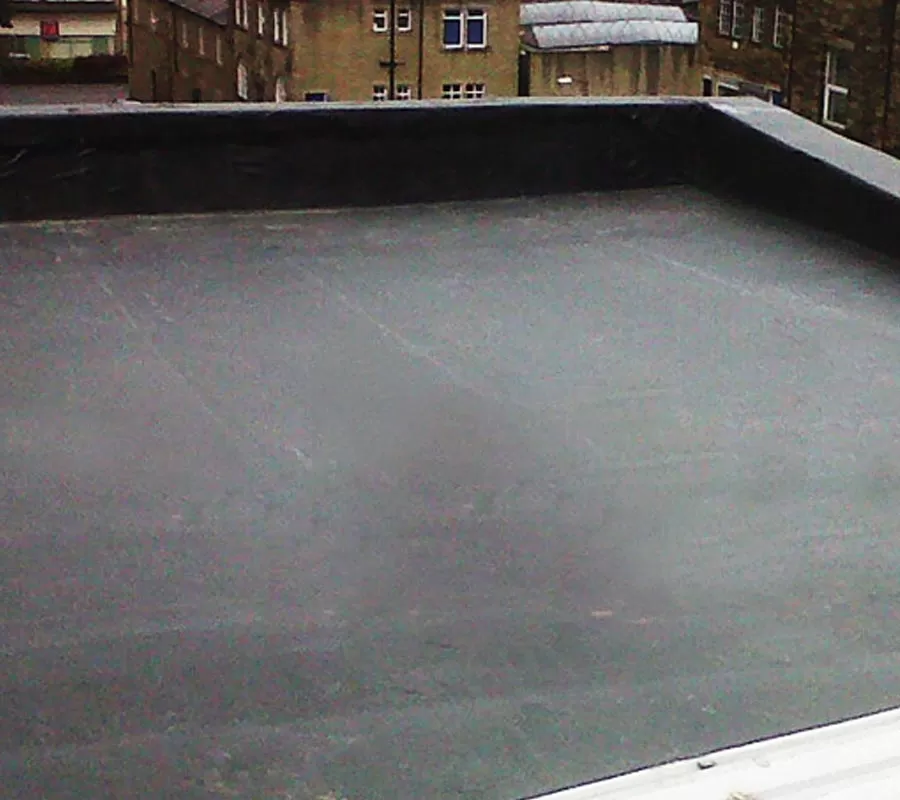
A high-quality membrane (often EPDM or PVC), also known as a roof membrane or waterproof layer, that protects the roof. Roof membranes are essential for preventing water ingress and are a fundamental component of green roof systems.
3. Root Barrier
Stops plant roots from penetrating roofing layers.
4. Drainage Layer
Prevents waterlogging and allows excess water to escape. In many green roof systems, multiple drainage layers are used as part of a comprehensive drainage system. These drainage layers work together to channel excess water away from the vegetated layers, preventing waterlogging and supporting plant health.
5. Filter Layer
Stops soil from blocking the drainage layer.
6. Growing Medium
A lightweight engineered growing media — not traditional garden soil — is used as the growing medium. This growing media may include recycled materials to enhance sustainability and reduce waste.
7. Vegetation Layer
Sedum, wildflower blankets, or pre-planted trays.
A professional installation ensures the roof handles drainage, weight, and waterproofing, which is critical for long-term success. An irrigation system may also be included to maintain plant health, especially during dry periods.
Benefits of a Green Roof
1. Excellent Insulation
Green roofs improve thermal performance and reduce energy bills. They contribute to summer cooling by reducing heat energy transfer into buildings, which lowers air conditioning demand and decreases overall cooling costs.
2. Sound Reduction
They absorb external noise — ideal for urban or coastal areas.
3. Longer Roof Lifespan
A green roof protects the waterproof membrane from UV, frost, and rain, often doubling the roof’s lifespan.
4. Environmentally Friendly
- Improves biodiversity
- Supports pollinators
- Reduces carbon footprint
- Captures airborne pollutants
- Helps mitigate the urban heat island effect, benefiting the urban environment and even contributing to cooling the entire city.
- By reducing building energy demand, green roofs can decrease reliance on power plants and improve the surrounding environment.
- Plays a role in reducing urban heat islands and supporting a healthier urban environment.
5. Stormwater Management
Green roofs absorb rainfall and retain rainwater, which reduces runoff and eases pressure on sewer systems during heavy rainfall.
6. Aesthetic Appeal
They look beautiful and blend naturally into the environment. Green roofs create valuable outdoor space, enhance views from ground level, and can be designed to blend buildings seamlessly into the landscape. Green walls can also complement green roofs, providing a cohesive green aesthetic.
7. Boosts Property Value
Eco-friendly homes attract modern buyers and can increase market value. Increased property value is one of the private benefits of installing a green roof, directly benefiting building owners and occupants.
Downsides of Green Roofs
Green roofs are fantastic — but they’re not suitable for everyone.
1. Increased Cost
They cost more than standard flat roofing systems. Green roof cost is typically calculated per square foot or square metre, depending on the size and type of installation. However, the initial investment can be offset over time, as green roofs improve insulation and help reduce energy costs for heating and cooling.
2. Weight Considerations
Your roof must support the additional load — a structural assessment may be required.
3. Maintenance
Sedum roofs need occasional watering, weeding, and drainage checks. Choosing suitable plants for your climate and roof conditions can help minimize maintenance requirements.
4. Not Ideal for Steep Roofs
They work best on flat or low-pitch roofs (1–10 degrees).
Green Roof Costs (UK 2025)
Costs depend on roof size, access, type of green roof, and materials used. The total roof area is a key factor in determining the cost of a green roof project, as larger areas generally require more materials and labor. Many green roofs have been installed across the UK, with costs varying widely depending on the size and complexity of each project.
Extensive sedum roof (most common)
£90 – £150 per m²
(including waterproofing, root barrier, drainage & sedum layers)
Semi-intensive wildflower roof
£120 – £180 per m²
Intensive “roof garden”
£200 – £400+ per m²
(heavier structure, deeper soil, more complex installation)
Additional costs may include:
- Structural engineer report
- Drainage upgrades
- Edging & trims
- Access scaffolding
To get an accurate figure, a survey is essential.
Green Roof Kits: A Quick Solution for UK Homes
Green roof kits have become a go-to option for UK homeowners who want to enjoy the benefits of green roofs without the complexity of custom design. These all-in-one packages typically include everything you need: a waterproofing membrane, a drainage layer to prevent waterlogging, a lightweight growing medium, and pre-selected plants suited for either extensive or intensive green roofs.
Whether you’re aiming for a low-maintenance sedum roof or a lush, intensive green roof with a variety of plant species, there’s a green roof kit to match your needs. Kits are designed to work with a range of roof structures, from garden rooms to flat extensions, making installation straightforward even for DIY enthusiasts.
When choosing a green roof kit, consider the load your roof structure can support, the local climate, and how much time you want to spend on maintenance. A reputable supplier will help you select the right kit and provide guidance on installation, ensuring your green roof thrives for years to come.
Brown Roofs: An Alternative for Biodiversity
Brown roofs are a unique type of green roof designed to boost biodiversity, especially in densely built urban areas. Unlike traditional green roofs, brown roofs use a thin layer of growing medium—often recycled or locally sourced materials—to recreate the conditions found on brownfield sites. This approach encourages the growth of native plant species that are well-adapted to the local environment.
By providing habitats for insects, birds, and other wildlife, brown roofs help support urban agriculture and enhance ecosystem services in cities. They are particularly valuable for projects aiming to increase green space and ecological benefits in areas where natural habitats are scarce. If you’re looking to make a positive impact on your local environment, brown roofs offer a practical and effective way to promote biodiversity right above your head.
Which Roofs Are Suitable for Green Roofs?
Green roofs work best on:
- Flat roofs
- Low-pitched roofs (up to 10°)
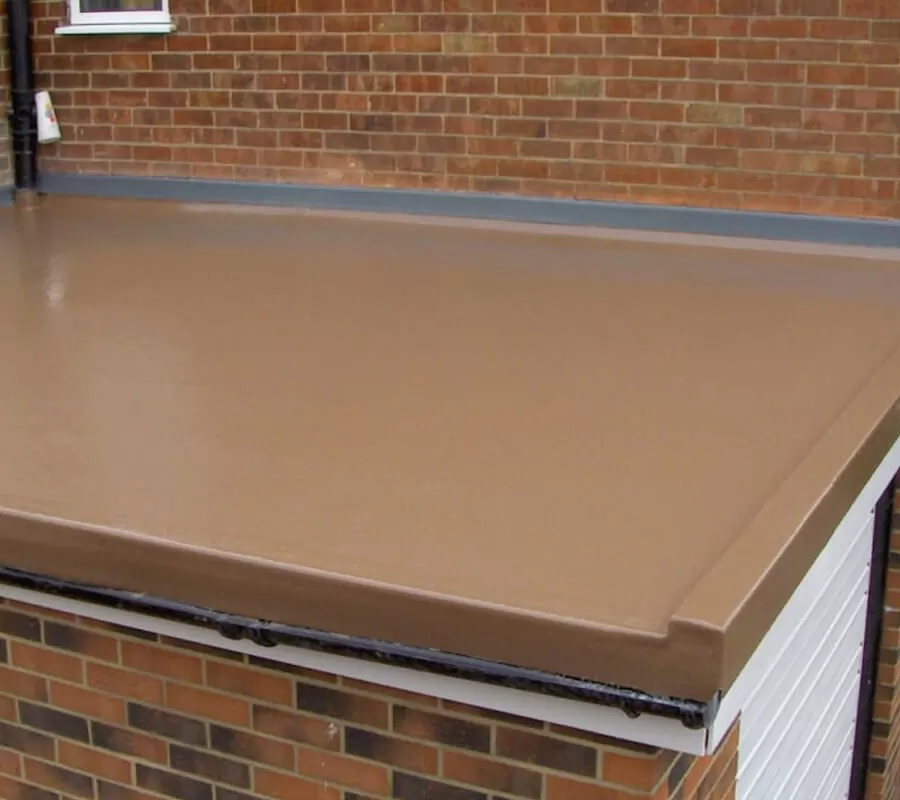
- EPDM, GRP or high-quality waterproof bases
- Extensions
- Garages
- Garden rooms
- New builds
Green roofs can also be installed on existing buildings, but may not be suitable for some conventional roofs due to structural limitations or the need for additional support.
Not suitable for:
- Roofs with poor waterproofing
- Weak roof structures
- Roofs with many obstacles or penetrations (vents, pipes)
Can You Install a Green Roof on an Existing Roof?
Yes — as long as:
- The structure can handle the weight
- The waterproofing is sound
- Drainage can be managed
- The pitch is suitable
Compared to a conventional roof, installing a green roof requires additional structural support and careful planning for waterproofing and drainage, whereas maintaining a conventional roof is generally less complex and involves fewer requirements.
Many homeowners install green roofs as part of a flat roof replacement.
Does a Green Roof Need Maintenance?
Yes, but very little.
For extensive sedum roofs, the layers of trapped air within the green roof system act as a natural insulator, which can help regulate temperature and potentially reduce maintenance needs by protecting the underlying structure.
Maintenance involves:
- 1–2 annual inspections
- Clearing dead material
- Checking drainage outlets
- Weeding
- Occasional watering during heatwaves
Intensive roof gardens require standard gardening.
Are Green Roofs Good for the Environment?
Absolutely. They:
- Support pollinators
- Reduce carbon emissions
- Improve air quality
- Reduce rainwater run-off
- Increase biodiversity
- Lower urban temperatures
Eco roofs and green roofing solutions are available in a wide green roof range, each offering unique environmental benefits.
Green roofs are one of the most effective eco-friendly roofing upgrades you can install.
Final Verdict — Is a Green Roof Worth It?
If you want a roof that is:
✔ Eco-friendly
✔ Long-lasting
✔ Beautiful
✔ Insulating
✔ Low maintenance
…then yes, a green roof is 100% worth considering.
They cost more initially, but offer significant long-term benefits — especially when installed on new extensions, garages or flat roofs you’re already replacing.
For the best results, new green roofs and innovative green roof designs should be planned and installed with the expertise of a professional green roof design team, ensuring optimal performance and sustainability.
Need a Green Roof Installed in Brighton or Sussex?
At BrightonRoofers, we specialise in:
- Green roof design & installation
- Sedum and wildflower roof systems
- Flat roof waterproofing
- EPDM & GRP installations
- Green roof maintenance plans
📞 Call 01903 801 066
or request your free green roof survey today.