Roof Safety: What Homeowners Should Never Do (Essential UK Guide)
Your roof is one of the most important parts of your home — but also one of the most dangerous to access. Every year in the UK, thousands of homeowners are injured while attempting DIY roof repairs, cleaning gutters, or inspecting storm damage.
Many homeowners fall into common pitfalls when attempting roof work, which can lead to unnecessary risks and expensive repairs.
A roof may look solid, but one wrong step can lead to serious injury, costly damage, or an even bigger roofing problem than you started with. This guide will help you avoid the biggest mistakes homeowners make regarding roof safety, and explains the key things homeowners should never do on a roof, along with the safer alternatives you should use instead.
1. Never Walk on Your Roof
Walking on a roof is unsafe and can damage the structure, so it is crucial to take steps to prevent falls when working on a roof.
Why you should avoid it:
- Slates and tiles can crack under foot pressure
- Roofs become extremely slippery when wet
- Hidden weak spots may collapse, compromising the roof’s structural integrity
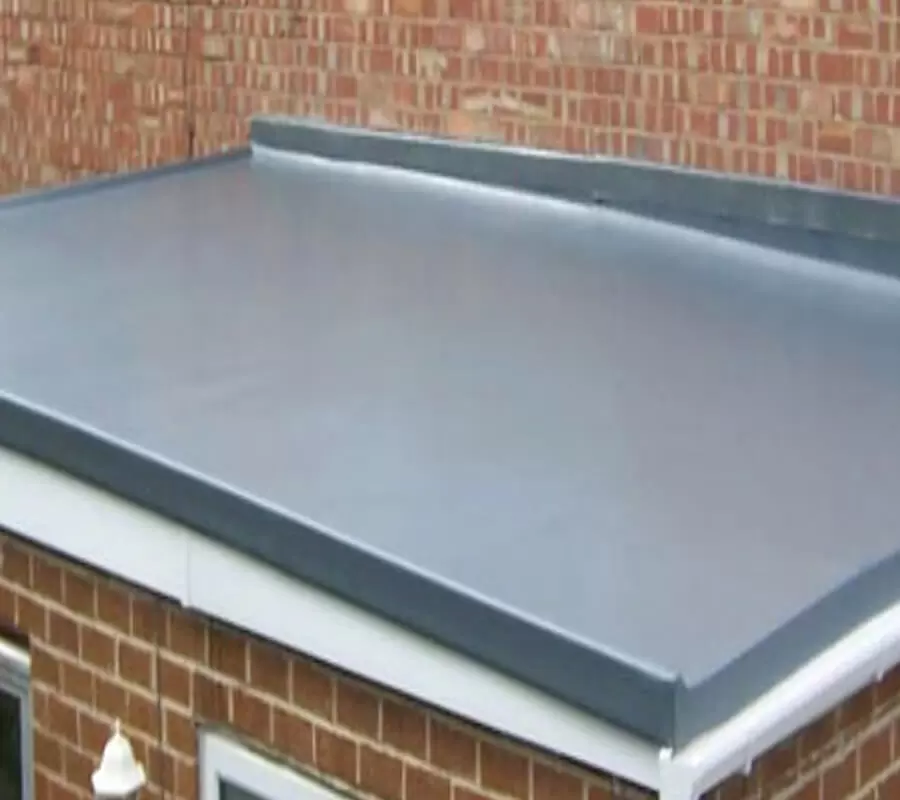
- Flat roofs can puncture easily
- You may void your home insurance
Safer alternative:
Inspect the roof from the ground or with binoculars. For a proper check, book a professional roof inspection — it’s far safer and usually inexpensive. Regular roof inspections by professionals help identify issues early, prevent costly repairs, and extend your roof’s lifespan.
2. Never Climb Ladders Without Proper Safety Measures
Ladder safety is a key concern when it comes to roof safety—what homeowners should never do often starts before even stepping onto the roof. Most homeowner accidents happen before reaching the roof.
2.1 Common ladder mistakes to avoid:
- Placing the ladder on uneven or slippery ground
- Using a damaged or unstable ladder
- Overreaching while on the ladder
- Not securing the ladder at the top and bottom
Using proper equipment, such as a sturdy, well-maintained ladder and appropriate safety gear, is essential for ladder safety and can significantly reduce the risk of falls and injuries.
Avoid:
- Leaning ladders on gutters (they break easily)
- Using old or damaged ladders
- Climbing without someone holding the base
- Overreaching
- Working in windy or icy conditions
- Ignoring the risk of injury from improper ladder use
Safer alternative:
Use a modern, stable ladder with anti-slip feet, and make sure you have the right equipment, such as proper safety gear and tools, for ladder safety — and always have someone support it.
3. Never Attempt DIY Roof Repairs
DIY projects involving roof work are especially risky. DIY repairs almost always cause more harm than good.
Complex repairs require proper training and should not be attempted by untrained individuals.
Common DIY mistakes include:
- Using sealants to patch leaks (they rarely last)
- Incorrectly replacing tiles
- Damaging underlay while lifting tiles
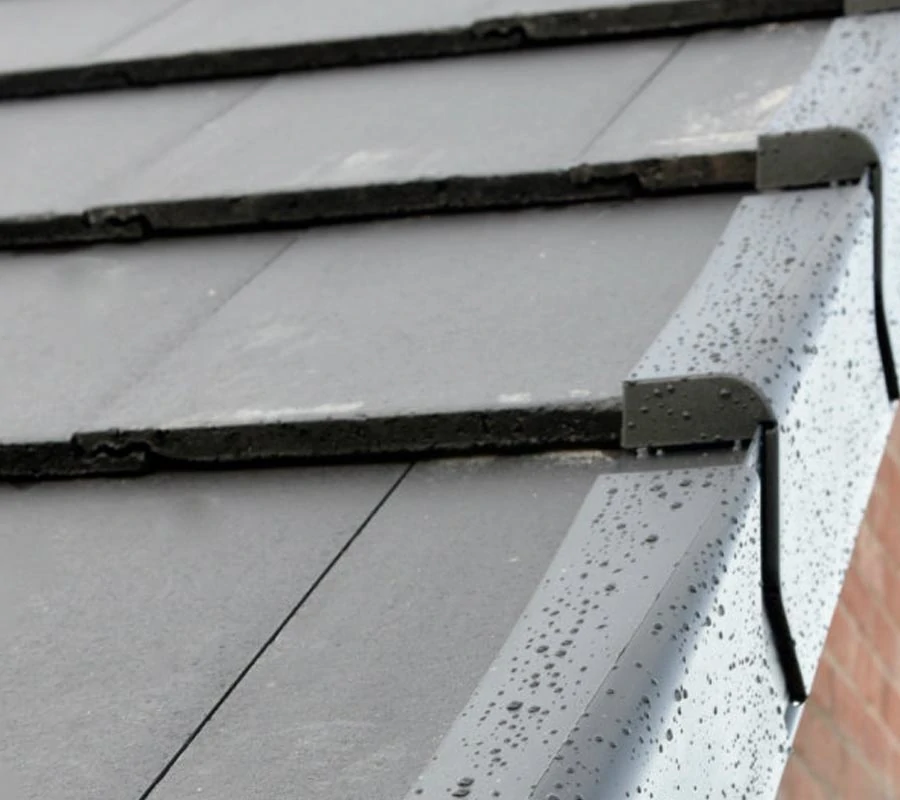
- Using the wrong flashing materials
- Applying roof coatings that trap moisture
- Installing felt or EPDM incorrectly
- Using inappropriate materials for repairs—always select appropriate materials to ensure safety, durability, and a professional finish.
Why this matters:
A small mistake can lead to damp, mould, timber rot, or thousands of pounds in structural damage, resulting in costly mistakes and further damage.
Safer alternative:
Let trained roofing specialists repair or replace materials properly. For any roof repairs, it is recommended to seek professional assistance to ensure safety and proper results.
4. Never Pressure Wash Your Roof
Pressure washing might seem like a quick way to remove moss — but it’s one of the most damaging things you can do to a roof. While it’s important to keep your roof clean to prevent hazards like slips, falls, and damage, pressure washing is not the right method for roof cleaning.
Pressure washing can:
- Strip away protective granules
- Dislodge tiles
- Cause falling debris from dislodged tiles or materials, increasing the risk of injury
- Force water under tiles or into the loft
- Damage flashing
- Break slate edges
Safer alternative:
Request soft cleaning, mechanical scraping, or moss treatment from a roofing professional. Safely removing debris, such as loose nails and shingles, using professional methods is essential to prevent slips, falls, and other accidents on your roof.
5. Never Ignore Small Leaks or Damp Patches
Even minor leaks can indicate major problems above the ceiling.
Leaks left untreated can cause:
- Timber rot
- Damaged insulation
- Ceiling collapse
- Mould growth
- Electrical hazards
- Widespread structural damage
- Serious damage to your home’s structure and interior if leaks are left untreated
Safer alternative:
At the first sign of a stain or drip, arrange a leak investigation. Early action saves money.
Additionally, regular roofing maintenance is recommended to prevent leaks and other issues before they start.
6. Never Disturb Old Roofing Materials (Especially Asbestos)
Many garages, extensions and older roofs contain asbestos cement sheets. Disturbing old roofing materials, especially those containing asbestos, can create hazardous conditions by releasing dangerous fibers into the air.
Never:
- Cut
- Drill
- Break
- Remove
- Pressure wash
- Sand
Asbestos disturbance releases fibres that are extremely dangerous if inhaled. Always follow proper safety precautions when handling or working near old roofing materials to prevent exposure to hazardous substances.
Safer alternative:
If asbestos is suspected, call a licensed asbestos specialist or roofing company for safe handling and removal. Professionals should always use proper safety equipment when dealing with asbestos or other hazardous materials.
7. Never Work on the Roof During Bad Weather
Before starting any roof work, it is crucial to monitor weather conditions and check the weather forecast to ensure safety.
Even professional roofers take precautions with the weather. Homeowners should never attempt roof repairs during adverse weather conditions, such as high winds or extreme temperatures, as these can significantly increase the risk of accidents. Always plan roof work for days with favorable weather conditions to minimize hazards.
Avoid working during:
- Rain (makes roof work particularly dangerous due to slippery surfaces and reduced visibility)
- Wind above 15–20 mph (strong winds can destabilize roof work and increase the risk of falls)
- Ice or frost (creates hazardous, slick surfaces for any roof work)
- Snow (obstructs safe movement and complicates roof work)
- Heatwaves (slippery surfaces + heatstroke risks during roof work)
Safer alternative:
Wait for stable, dry, mild conditions — or let professionals attend with the correct equipment. To stay safe, always wait for suitable weather or consider hiring professionals instead of attempting risky roof work yourself.
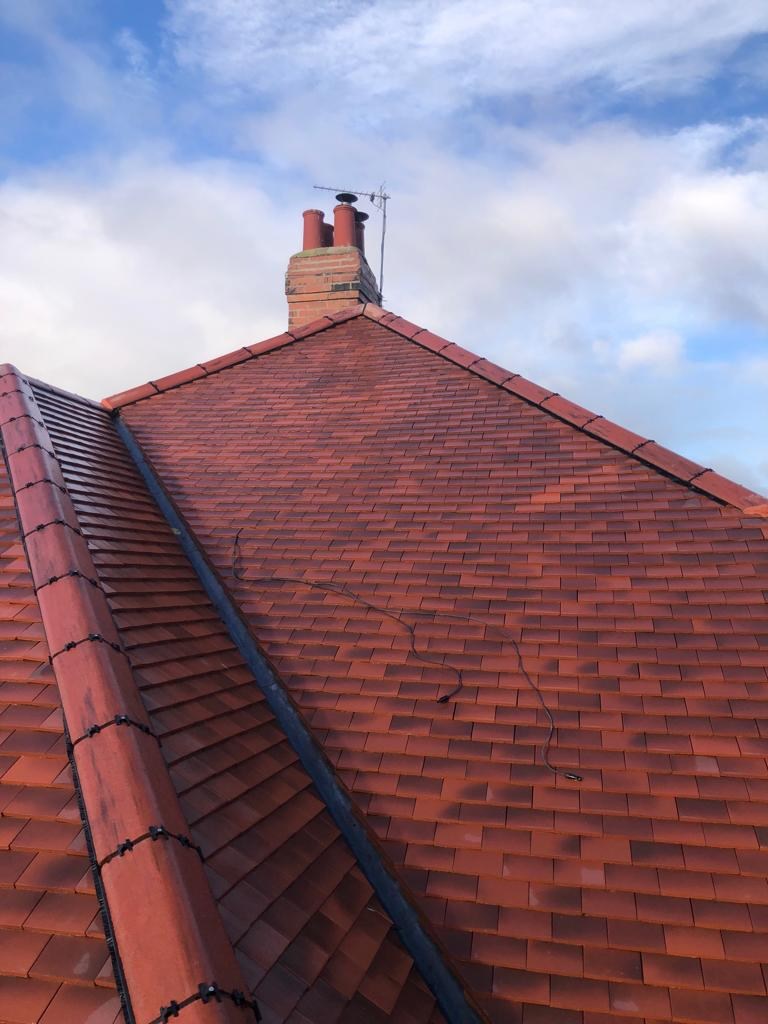
8. Never Lift Tiles Without Knowing What’s Underneath
Tiles are only one layer of your roof. Beneath them are:
- Battens
- Underlay
- Fixings
- Ventilation layers
- Structural timbers
Lifting tiles or shingles incorrectly can tear underlay, break battens, cause tiles or shingles to slide, or even damage the shingles themselves.
Safer alternative:
If you suspect a tile issue, call a roofer to assess it safely. Only professionals should assess issues with roofing systems, as they are complex and costly to repair or replace.
9. Never Attempt to Repair Chimneys or Flashing Yourself
Chimney and flashing repairs are considered complex repairs that require specialized expertise. These are among the most complex roof components.
DIY chimney or flashing repairs often lead to:
- Persistent leaks
- Water penetration
- Heat loss
- Further damage to tiles or brickwork
Safer alternative:
Let experts handle chimney pointing, leadwork and flashing — they require specialist skills. For chimney and flashing repairs, it is best to hire roofing professionals to ensure the work is done safely and correctly.
10. Never Attempt Flat Roof Repairs Using Quick Fixes
Popular DIY mistakes include:
- Applying bitumen tape
- Using silicone or mastic
- Laying felt over old damaged surfaces
- Pouring waterproof paint over puddles
These fixes never last, and usually worsen the problem, often resulting in the need for extensive repairs.
Safer alternative:
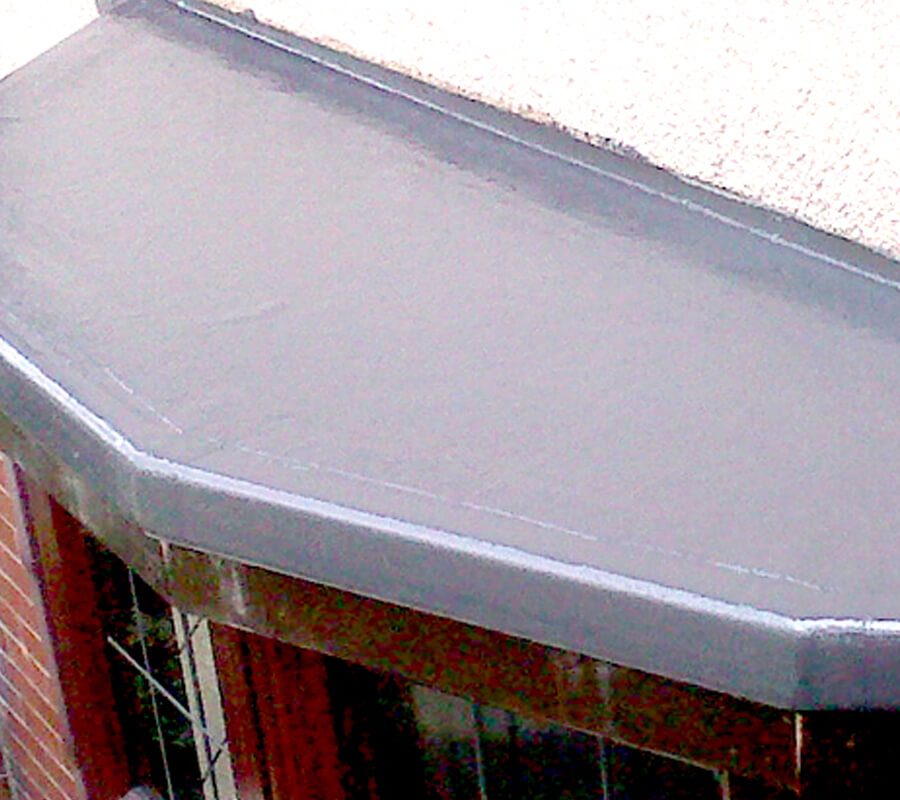
Professional EPDM or GRP repairs ensure long-term waterproofing. For flat roof repairs, always seek professional help to guarantee safety and proper results.
Roof Safety Summary — What Homeowners Should Never Do
To protect your home and your health, never:
- Walk on your roof
- Climb ladders unsafely
- Attempt DIY repairs
- Pressure wash tiles
- Ignore small leaks
- Disturb asbestos
- Work in bad weather
- Remove or lift tiles
- Repair chimneys yourself
- Apply quick-fix sealants to flat roofs
By following these guidelines, homeowners can avoid common pitfalls and common hazards associated with roofing work. Taking these precautions will help prevent accidents and significantly reduce the risk of injury or damage to both yourself and your property.
Your roof is too important — and too dangerous — to handle alone.
Need a Safe, Professional Roof Inspection?
BrightonRoofers provides:
- Safe, expert roof inspections
- Leak investigations
- Tile and slate repairs
- Chimney and leadwork repairs
- Flat roof repairs (EPDM, GRP, felt)
- Storm damage assistance
- Full roof replacements
- All roofing needs and roofing projects handled with a focus on safety, including proper planning and adherence to best practices
Our team uses tool belts to secure loose tools, wears non slip shoes and protective clothing for every job, and always remains aware of power lines to prevent electrical hazards.
📞 01903 801 066📧 info@brightonroofer.co.uk
Protect your roof — without risking your safety. Contact us for professional help and safety tips before starting any roof work.