EPDM vs GRP vs Felt: Which Flat Roof System Is Best?
Flat roofs have come a long way over the past two decades. Modern roofing systems, often built around a durable roofing membrane, last longer, perform better in harsh weather, and require far less maintenance than older felt roofs from the 70s and 80s.
But with so many flat roofing options and types of roofing material — EPDM rubber, GRP fibreglass, and felt (bitumen) — how do you know which flat roof material is best for your home, garage, extension or commercial building?
In this guide, we break down EPDM vs GRP vs Felt to help you choose the right system based on budget, durability, appearance, and performance.
Quick Comparison Chart
| Roofing Type | Lifespan | Cost | Durability | Best For |
|---|---|---|---|---|
| EPDM Rubber | 25–40+ years | ££ | Very high | Garages, extensions, large roofs |
| GRP Fibreglass | 25–30+ years | £££ | Excellent | New builds, porches, custom shapes |
| Felt (Torch-On) | 10–20 years | £ | Moderate | Sheds, small roofs, tight budgets |
EPDM Roofing – The Modern, Flexible Rubber Roof
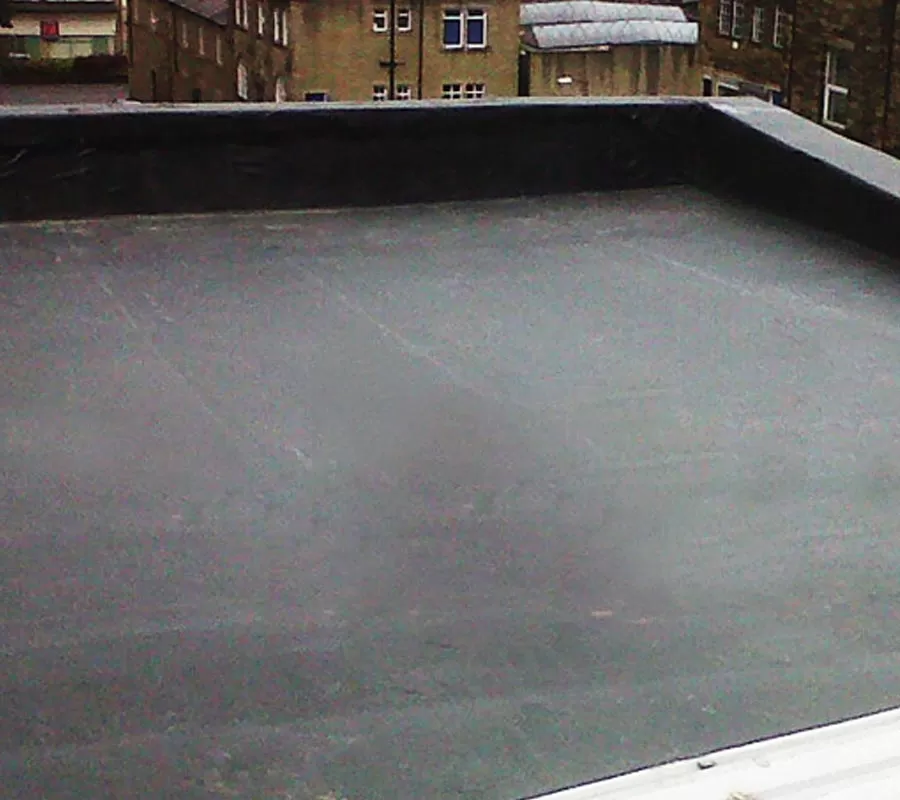
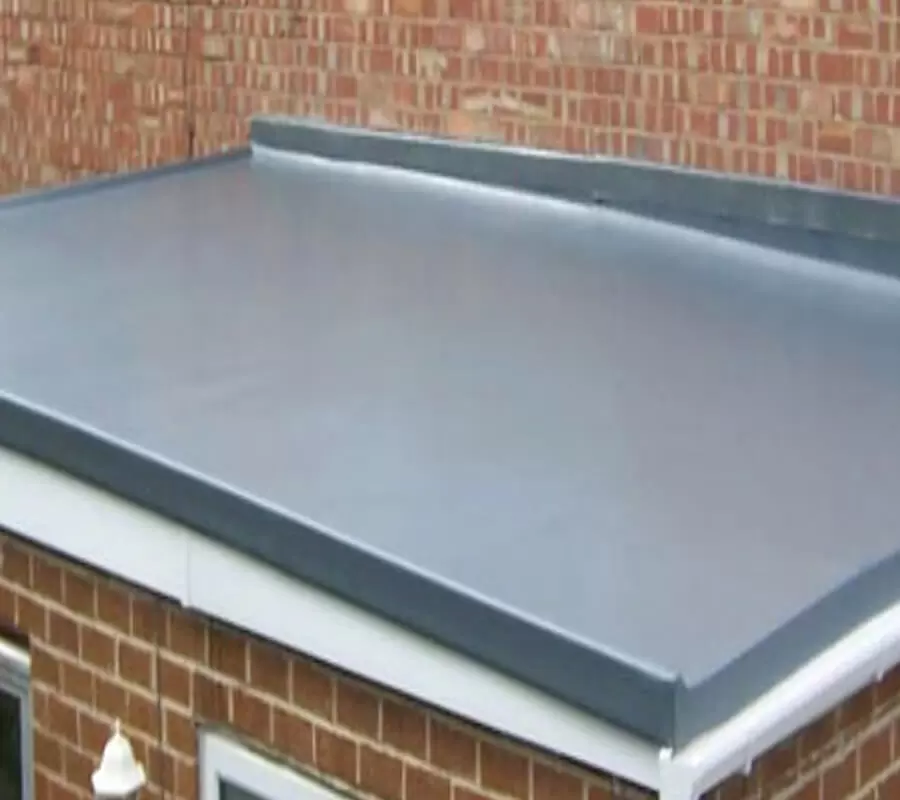
EPDM (Ethylene Propylene Diene Monomer) is a single-ply rubber membrane made from synthetic rubber, used worldwide for over 40 years. As an epdm membrane, it is commonly installed as part of an epdm roof system.
It’s popular for its durability and ease of installation, making it a leading choice for epdm rubber roofing and epdm rubber roofing system applications on flat roofs.
An epdm flat roof or epdm rubber roof is suitable for a wide range of applications, including garages, sheds, and commercial buildings.
Benefits of EPDM
✔ Extremely long lifespan (25–40+ years)
✔ Flexible — ideal for building movement
✔ UV-resistant
✔ Low maintenance
✔ Cost-effective
✔ Perfect for large or awkward roof areas
✔ Very few seams (less chance of leaks)
Best Uses
- Garage roofs
- Dormer roofs
- Extensions
- Commercial buildings
- Large flat roof surfaces: EPDM is ideal for flat roof installation on expansive roof surfaces, providing effective waterproofing and durability.
Downsides
- Can puncture if walked on frequently
- Appearance is plain (a matte black finish)
- Must be installed correctly to avoid wrinkles
Verdict:
EPDM is the best all-round option for cost, durability and long-term performance.
GRP Roofing – The Premium Fibreglass Roof
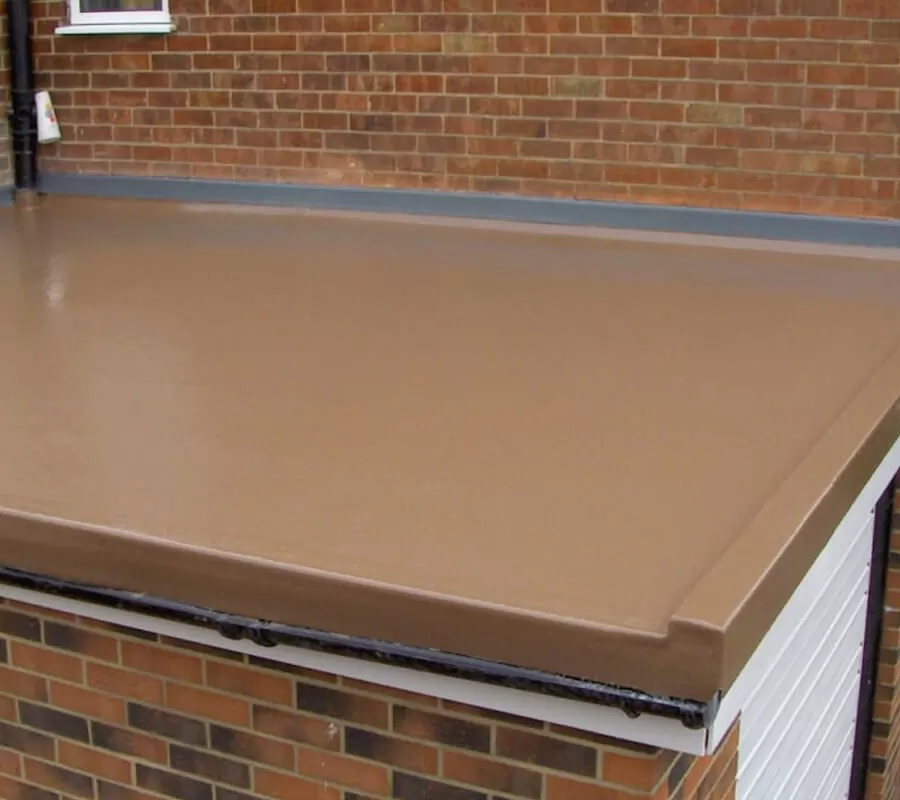
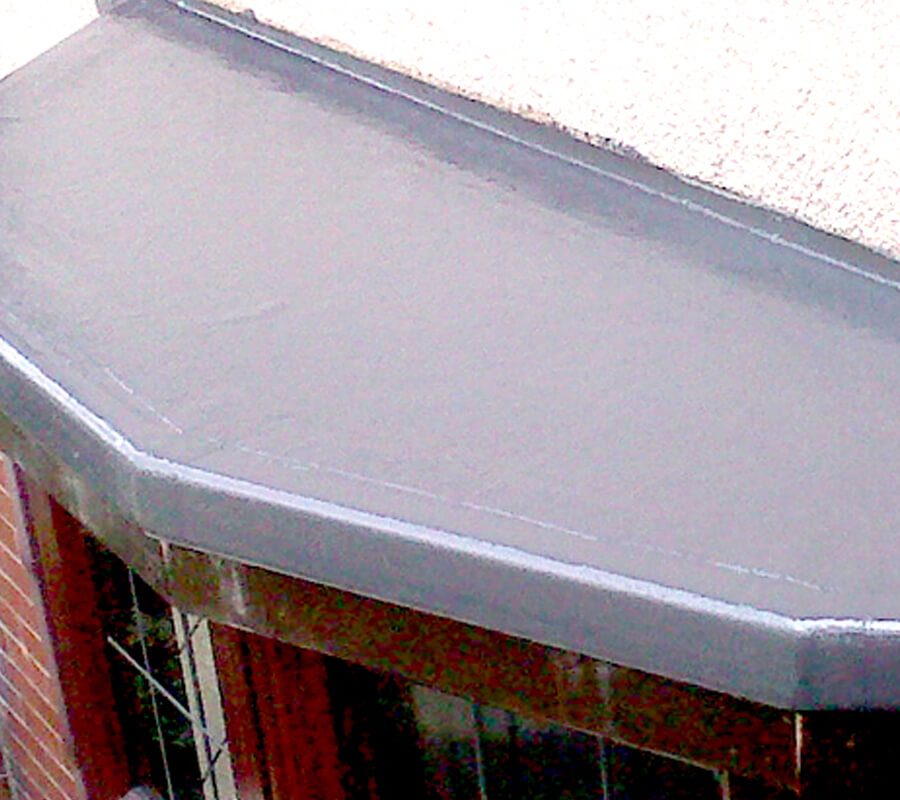
GRP (Glass Reinforced Plastic), also known as glass reinforced polyester (GRP stands for glass reinforced polyester) and commonly referred to as fiberglass roofing, is a rigid fibreglass roofing system that forms a completely seamless waterproof shell.
GRP is composed of polyester resin and glass reinforced polyester, which are combined during the grp installation process. This process involves applying a layer of resin and fiberglass matting to create a grp laminate, resulting in a durable waterproof barrier.
Terms such as grp fibreglass roofing, grp roof, grp roofs, grp flat roofs, and grp flat are commonly used to describe this type of roofing system.
It’s known for being strong, clean-looking, and long-lasting.
Benefits of GRP
✔ Seamless finish — no joints
✔ Very strong & impact-resistant
✔ Excellent longevity (25–30+ years)
✔ High-quality modern appearance
✔ Great for complex shapes or detail work
✔ Rot-proof and highly weather-resistant
Best Uses
- New build roofs
- Porches and bay windows
- Small- to medium-sized roofs
- Areas needing a premium finish
- Roofs with lots of detailing (edges, corners) or a complex underlying structure
Downsides
- GRP installation involves specific steps and expertise, making it harder to install correctly (needs dry conditions)
- More expensive than EPDM and felt
- Not ideal for very large roofs (expansion issues)
Verdict:GRP offers the best premium finish and durability when installed properly, especially for small-to-medium roofs.
Felt Roofing – The Traditional, Budget-Friendly Option
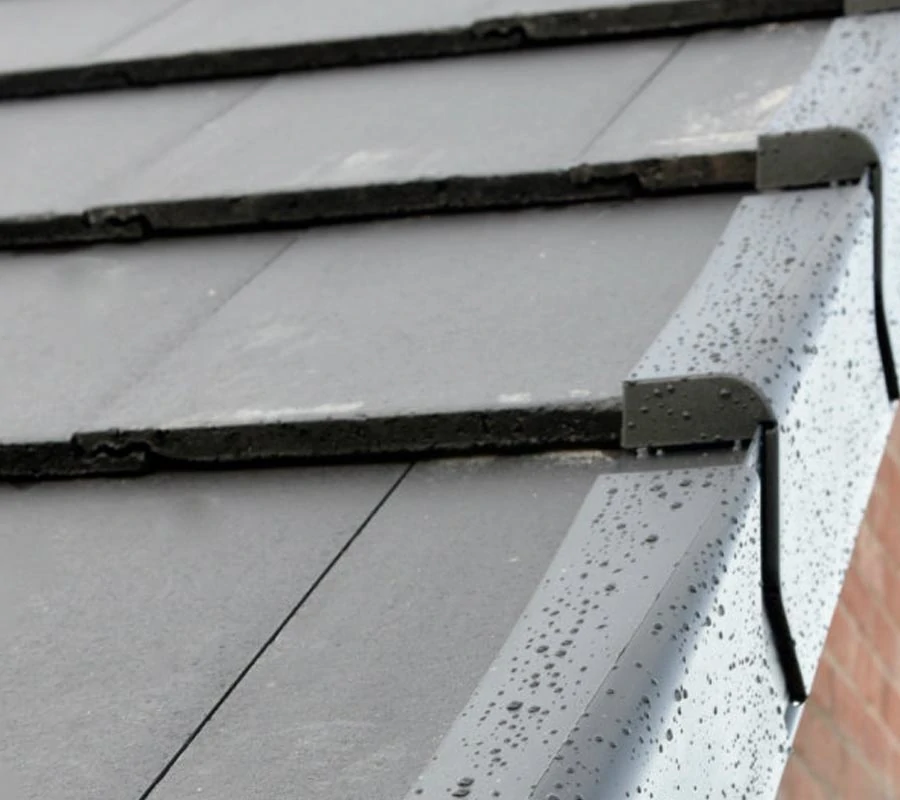
Modern felt roofs (torch-on bitumen), often referred to as ‘felt roof’ systems, are far more reliable than older versions known as ‘traditional felt’ and remain the most affordable flat roofing system.
Modified bitumen is a modern improvement over traditional felt, offering enhanced durability, flexibility, and weather resistance for flat roofs.
Benefits of Torch-On Felt
✔ Most cost-effective option
✔ Very good for small roofs
✔ Multi-layer system provides reliable waterproofing
✔ Can be repaired easily
✔ Good in the hands of an experienced installer
Best Uses
- Sheds, bike stores, workshops
- Outbuildings
- Small extensions (felt can be applied over an existing roof for cost savings)
- Tight budgets
Downsides
- Shorter roof’s lifespan (10–20 years)
- Vulnerable to heat cracking over time
- Seams can lift if poorly installed
- Not as attractive as EPDM or GRP
Verdict:Felt remains a solid budget option, but it doesn’t match the long-term value of EPDM or GRP.
Which Flat Roof System Is Best Overall?
For long-term performance → EPDM
It offers superb durability and value for money.
For premium finish → GRP
Perfect on new builds, porches, balconies, and bay windows.
For budget projects → Felt
Reliable for smaller, lower-cost roofs.
Which Flat Roof Material Lasts the Longest?
- EPDM – 25 to 40+ years (expected lifespan; known for enhancing a roof’s longevity)
- GRP – 25 to 30+ years (expected lifespan; contributes to a roof’s longevity)
- Felt – 10 to 20 years (expected lifespan; generally offers a shorter roof’s lifespan)
Proper installation is key. Even the best material will fail early if fitted poorly.
How to Choose the Right Flat Roof System for Your Home
Ask yourself:
- How long do I want the roof to last?
- What’s my budget?
- Is the roof small or large?
- Do I want the best-looking finish?
- Does my roof move or flex?
- Do I need a seamless system?
When choosing a flat roof, it’s important to consider the different flat roofing materials available. Flat roofing material options include EPDM rubber, fibreglass (GRP), and liquid rubber, each offering unique benefits in terms of durability, waterproofing, and suitability for various roof types. Comparing these flat roofing materials can help you select the best one for long-term protection and performance.
Single ply roofing and single ply roofing systems are also popular choices for modern flat roofs. These systems use a single, seamless membrane that provides excellent waterproofing, flexibility, and energy efficiency, making them a strong alternative to traditional roofing options.
A professional roofer can inspect your roof and recommend the best option based on its structure and usage.
Final Verdict
There is no single “best” flat roof material — it depends on your home, budget, and long-term goals. Some flat roofing options are made from recycled materials, which can reduce environmental impact and improve sustainability.
When making your decision, consider the importance of choosing a system that can withstand heavy rain, harsh weather conditions, and extreme weather conditions to ensure long-term durability and protection for your property.
Choose EPDM if you want:
✔ Great lifespan
✔ Low maintenance
✔ Best value for money
For excellent weather resistance, flexibility, and waterproofing, consider Firestone EPDM as a high-quality option for EPDM roofs.
Choose GRP if you want:
✔ Seamless premium finish
✔ Ultimate strength
✔ Best for small/medium roofs
Choose Felt if you want:
✔ Lowest cost
✔ Quick installation
✔ Good performance for small areas
Need Help Choosing the Best Flat Roof System?
At BrightonRoofers, we specialise in:
- EPDM rubber roofs
- GRP fibreglass roofs
- Torch-on felt roofs
- Flat roof repairs & replacements
- Free flat roof inspections
📞 Call 01903 801 066
or request a free, no-obligation quote today.