A pitched roof can last for decades – sometimes even a century – but there comes a time when repairs just aren’t enough. You may start to notice leaks, cracked tiles, sagging areas, general wear and tear, or your underlay failing. When that happens, a pitched roof replacement is often the best & safest option
This guide will walk you through when you need a new pitched roof, how much it costs, what’s involved, the materials on the market, and how to pick a good, reliable roofing contractor in the UK. We’ll cover all the aspects of pitched roof replacement, so you’re fully in the know throughout the process.
What Is a Pitched Roof Replacement All About?
A full roof replacement involves the following process:
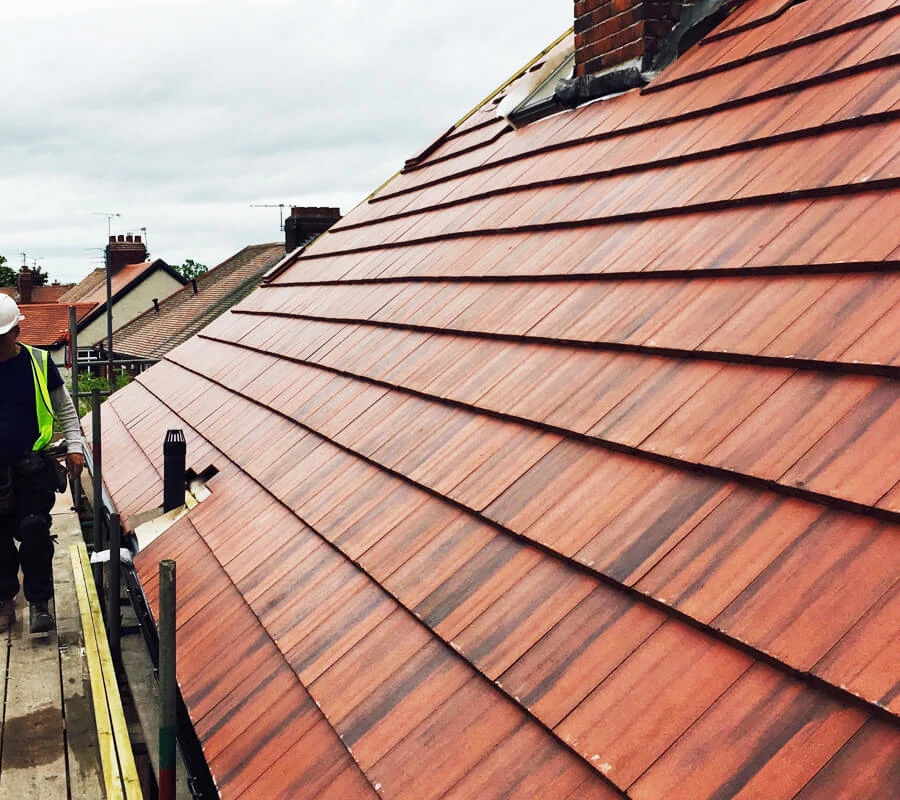
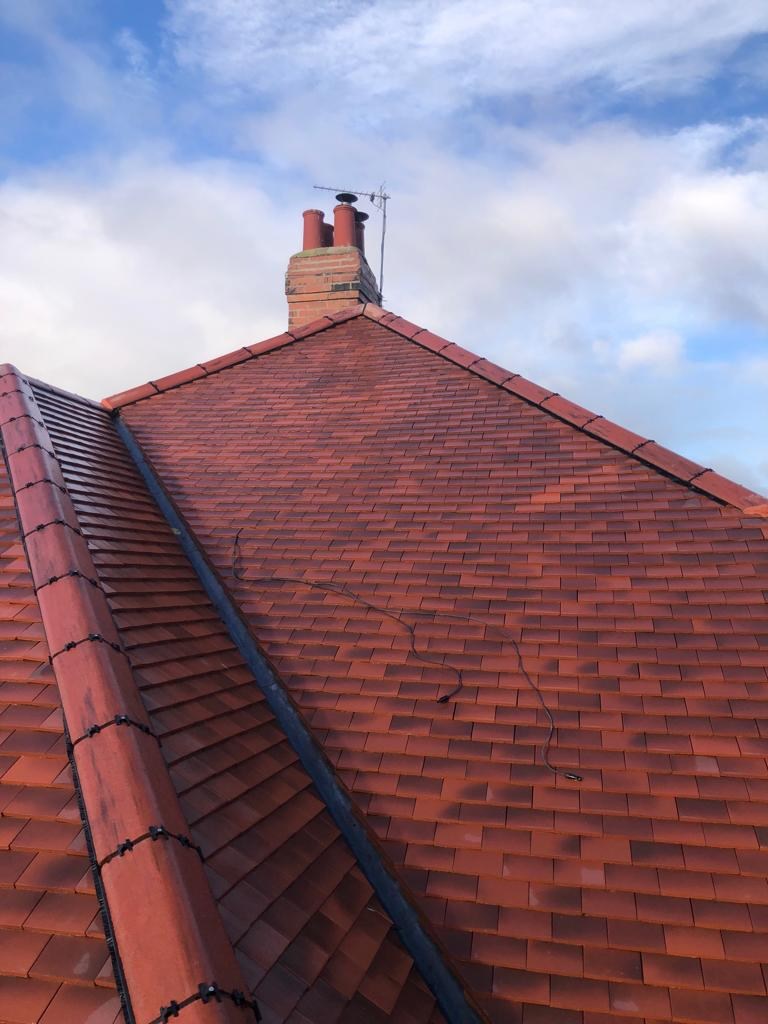
A pitched roof replacement – also known as a re-roof or strip & retile – entails:
- Taking off all the existing roof materials and covering, including tiles or slates
- Stripping back the old felt/underlay to get down to the underlying structure
- Replacing rotten battens, laths, or any damaged timber, and putting in new structural elements if needed
- Installing a new breathable membrane and battens
- Re-tiling with new tiles, slates or reclaimed materials as the new covering
- Upgrading any leadwork, flashings, ridges and fixings
- Making sure ventilation meets current building regulations
A full roof replacement renews the whole roof, putting new covering and weatherproofing layers back in place. Before starting on the pitched roof installation, a roof inspection usually takes place to assess if the roof needs repairs or a complete replacement. Doing things right means the new roof covering is put in to the highest standards.
Do You Need a Pitched Roof Replacement? Watch Out For These Warning Signs
It’s not always easy to tell when your roof needs replacing. If your existing roof is showing signs of roof damage, like leaks or sagging, it may need replacing. Keep an eye out for these common symptoms.
1. Constant or recurring leaks
If you keep getting leaks, even after fixing them, your underlay is probably shot.
2. Sagging or uneven rooflines
This can mean the structure is weakening or the battens are rotting.
3. Cracked, slipped or missing tiles
You can fix a few tiles – but when it keeps happening, the roof is on the way out.
4. Rotten battens or nail sickness
Older homes (pre 1940) are particularly prone to rusting nails & failing laths – in that case, full replacement is needed.
5. Torn or perished roofing felt
Old felt gets brittle & allows water to get into the loft space.
6. Large amounts of moss or vegetation
This traps moisture, which means the surface is deteriorating.
7. Rising energy bills
Poor insulation & roof ventilation can point to roofing failure.
If a few of these apply, a full replacement is often cheaper in the long run than carrying on patching things up.
How Long Does A Pitched Roof Generally Last?
Here’s a rough guide to the lifespan of common roof coverings:
| Roof Material | Lifespan |
|---|---|
| Concrete roof tiles | 40–60 years |
| Clay roof tiles | 50–100+ years |
| Natural slate | 80–150 years |
| Fibre-cement slate | 25–40 years |
| Bitumen felt underlay | 20–30 years |
| Breathable membrane | 40+ years |
There’s loads of factors which can affect how long your roof lasts, including the type of materials you use and any additional features like roof windows. If your roof reaches the end of its lifespan, a replacement may be necessary. Pitched roof replacements are a big investment, and in most cases you need a full replacement when the existing roof has a bunch of issues.
Choosing the Right Roofing Materials
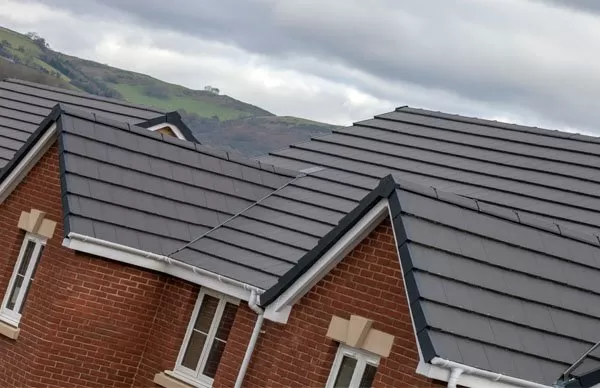
Picking the right roofing materials is one of the biggest decisions you’ll make during your pitched roof replacement. The materials you choose will affect your roof’s durability, energy efficiency & how it looks. In the UK, popular options for pitched roofs include concrete tiles, asphalt shingles, & natural slate. Each material has its own benefits – concrete tiles are strong & long-lasting, asphalt shingles are good value & easy to install, and natural slate gives a timeless look & great eco-credentials.
When planning your roof replacement project, think about your property’s style, local weather conditions & how much you’re prepared to spend in the long term. Getting a roofing expert in to help you pick the right materials can ensure your new roof not only looks great but also stands up to the elements. By choosing the right materials, you’ll be enhancing your home’s value, boosting energy efficiency & getting a reliable roof that’ll keep your home dry for decades to come.
Before You Start on the Roof Replacement Process
While this guide is aimed at homeowners in the UK, it’s still worth noting that the process can vary depending on the specific circumstances of your home..A successful roof replacement project begins with thorough prep work. Before the project gets underway, clear the area around your house of anything that could get damaged by falling debris – that’s your vehicles, garden furniture and other valuables. You’ll also want to figure out how to keep the kids and pets safely away from the construction zone for the duration of the project. Its always a good idea to sit down with your roofing contractor and talk through the project timeline & daily schedule with them so you know what to expect at each stage.
You should get your contractor to run through the plan for removing the old materials, how the new roofing materials will be delivered and installed and when the final inspection will take place. Don’t forget to ask about scaffolding, waste disposal and whether any permits or permissions are needed – these might all be factored into the final bill. By getting everything sorted out in advance and keeping the lines of communication open with your contractor you can help ensure the whole project goes smoothly, stays on budget and gives you the results you’re looking for.
Adding Insulation for Energy Efficiency
Upgrading the insulation in your roof while you’re replacing it is an investment that will pay off in lower energy bills and a warmer, more comfortable home, come winter. A well-insulated loft space or roof deck keeps your home warm in winter and cool in summer, which will be easier on your heating and cooling systems. When your roof is being replaced, consider using better insulation materials like fiberglass or cellulose, which can be fitted into the new roof structure while its being built.
Your roofer can advise on the best insulation options for your house and make sure they are fitted properly – and in line with the current building regulations. Better insulation does more than just save you money on your energy bills, it also helps to stop damp & condensation from becoming an issue, which will keep your home in good shape for years to come. By prioritising insulation as part of the roof replacement project, you’ll be more comfortable in your home and enjoy ongoing savings on your energy bills too.
Finding a Reputable Roofing Contractor
Choosing the right contractor is super important for a successful roof replacement. Start by doing some research on local , experienced roofers who have a proven track record of doing quality work. Look for contractors who are fully licensed & insured, and have plenty of good reviews from past customers. A reputable contractor will give you a detailed written quote that breaks down all the costs for materials, labour & any extra services like scaffolding or getting rid of waste.
Throughout the project, a good contractor will keep you in the loop, answer your questions and make sure that all the work is up to scratch and meets the current building regulations. They’ll also arrange for a final inspection to make sure that your new roof is finished to the highest standard. By taking the time to find a reliable contractor, you can be confident that your investment will result in a durable, attractive & energy efficient roof that will keep your home safe and secure for years ahead.
Maintenance and Upkeep of Pitched Roofs
Keeping an eye on your roof is key to getting as many years as possible out of it & stopping costly damage. Get a professional roofer to come and inspect your roof every year or so to spot any missing or damaged tiles, sagging or other signs of wear & tear. Fix any problems as soon as you spot them – it’s easier to sort out a minor issue before it turns into something really serious.
Keep the gutters and downpipes clear of debris so that your roof drains properly and water doesn’t start to collect on your roof. You might also want to consider getting a maintenance plan that includes regular inspections, minor repairs & cleaning to keep your roof in top condition. By being proactive about maintenance, you’ll save yourself money in the long run, keep your home looking great and make sure that your roof continues to do its job of keeping your home safe and dry for years to come.