For a FREE no obligation quote, contact us on: 07474 700259

Lead Work

Speak to a roofing specialist today — call 07474 700259 for a free, no-obligation quote.

No job too big or small

Advice is free of charge

Local roofing experts in Sussex

Best quotes guaranteed

Home > Roofing services > Lead Work

Roofing Lead Work & Lead Flashing Specialists in Brighton & Sussex

For more than 150 years, lead has been one of the most reliable and adaptable roofing materials used across the UK. Its unique ability to expand and contract with temperature, combined with its exceptional durability and corrosion resistance, makes it the gold-standard choice for weatherproofing roofs.

At BrightonRoofers, we specialise in all aspects of roofing lead work, including:

  • Lead flashing

  • Lead valleys

  • Lead soakers

  • Lead step flashing

  • Lead box gutters

  • Lead bay roofs

  • Complete lead roof installations

  • Decorative leadwork

We proudly serve Brighton, Hove, Shoreham, Worthing, Peacehaven, Rottingdean, Lewes and all surrounding Sussex areas.

Whether you need a small flashing repair or a full lead replacement project, our team delivers long-lasting, building-regulation-compliant work every time.

If you would like a quote, call today on 07474 700259
Request a free quote

  • No job too big or small

  • Free expert advice

  • Full chimney and roofline expertise

  • Over 40 years’ roofing experience

Submit this form to request a call back for a FREE roof health check

If you need any help, call us today: 07474 700259

or email us at info@brightonroofer.co.uk

Understanding Lead Work: Why Thickness Matters

Lead is graded by thickness, known as Lead Code:

  • Code 3 – thin; used mainly for soakers

  • Code 4 – standard thickness for flashing

  • Code 5 – valleys, gutter linings, weather-exposed areas

  • Code 6–8 – heavy-duty structural and architectural uses

Choosing the wrong thickness results in cracks, splits, and early failure.
We always install lead to British Standard BS EN 12588, ensuring your roof remains fully protected.

Lead Work Checklist

Unsure whether you need leadwork? Ask yourself:

  • Have you noticed roof leaks near chimneys or walls?

  • Is your existing flashing cracked, split, or loose?

  • Are joints, gutters or valleys letting in water?

  • Do you need leadwork for insulation or decorative detailing?

If the answer is yes, book a free survey with our specialist lead team.


Why Lead Work Is Essential for Your Roof

Your lead flashings and valleys are just as important as your tiles or slates.
In many cases, leaks are blamed on broken tiles — but the real cause is often failing leadwork, especially around:

  • Chimneys

  • Roof abutments

  • Valleys

  • Dormer windows

  • Step flashings

  • Flat roof connections

When leadwork is not installed correctly, it can cause:

  • Internal roof leaks

  • Damp patches around chimneys

  • Rotting timbers

  • Water penetration behind tiles

  • Structural issues over time

That’s why leadwork must always be shaped, dressed and pointed with precision.

At BrightonRoofers, our lead specialists ensure every installation meets the highest standards, using correct thickness codes, expansion joints, and weatherproof detailing.


What Are the Benefits of Lead Roofing and Flashing?

Lead is one of the most effective roofing materials available because it:

✔ Creates a watertight seal

Perfect for chimneys, walls, valleys and roof intersections.

✔ Expands and contracts naturally

Prevents cracking and maintains weatherproofing over decades.

✔ Lasts 50–100+ years

Far outlasting plastic, rubber or cement-based alternatives.

✔ Works as a protective covering

Ideal for repairing older roofs where materials have deteriorated.

✔ Suits modern and traditional homes

Lead blends seamlessly with both contemporary and period architecture.


Where Lead Work Is Used

Lead is suitable for almost every type of pitched or flat roof application:

  • New build roofs

  • Roof refurbishments

  • Chimney flashing and soakers

  • Roof valleys

  • Dormer windows

  • Porches and extensions

  • Bay roofs

  • Parapet walls

If your home has a leak near a chimney or roof join, leadwork is usually the culprit — and the solution.


Why Choose BrightonRoofers for Lead Work?

Homeowners across Sussex trust us for:

  • Over 40 years of roofing and leadwork expertise

  • Fully insured, trained professionals

  • High-quality Code 4 and Code 5 lead installations

  • Compliance with all UK building regulations

  • Honest advice and free inspections

  • Long-lasting, weather-tight solutions

  • Exceptional workmanship on every job

From simple repairs to complex architectural leadwork, we deliver premium results built to last.
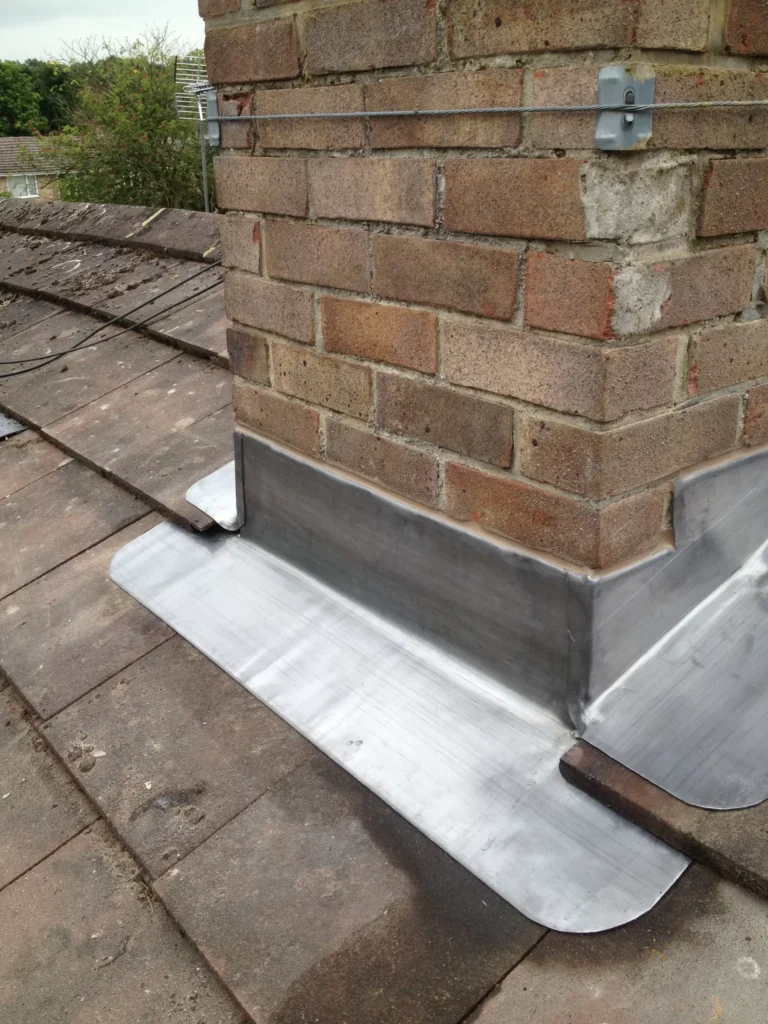
lead work brighton
Why Homeowners Choose BrightonRoofers

Your roof protects your entire home — we protect your roof.

What is roofing lead work?

Lead work refers to the installation of lead flashing, valleys, soakers, gutters and protective coverings used to waterproof joints, chimneys, roof intersections and vulnerable areas. It prevents water from penetrating the roof structure.

Why is lead used on roofs?

Lead is extremely durable, corrosion-resistant and flexible. It expands and contracts with temperature changes, making it ideal for sealing joints and preventing leaks. When installed correctly, it can last 50–100 years.

How long does lead flashing last?

Properly installed lead flashing typically lasts 50–60+ years, depending on weather exposure, installation quality and lead thickness (Code 4 or Code 5).

What are the signs that my leadwork needs repairing?

Common signs include: Roof leaks around chimneys or walls Cracked or split flashing Loose or missing lead sections Damp patches on ceilings Water stains around the chimney breast If you notice any of these, your leadwork likely needs attention.

What lead code should be used?

Code 4 lead is standard for flashing Code 5 lead is used for valleys, gutters and high-exposure areas Using the wrong code can cause premature failure. We always follow BS EN 12588 regulations.

Can you repair damaged lead, or does it need replacing?

Minor splits or loose sections can sometimes be repaired temporarily, but cracks, splits or fatigued lead generally require replacement for a long-term fix.

Is damaged leadwork a common cause of roof leaks?

Yes. Many leaks blamed on broken tiles are actually caused by failing lead flashing, valley lead, or poor workmanship around chimneys and roof joins.

What’s the difference between step flashing and soaker flashing?

Step flashing is used where the roof meets brickwork. Soaker flashing sits beneath tiles to guide water away from joints. Both are essential to keeping roof intersections watertight.

Do you install full lead roofs or decorative lead features?

Yes. We install: Lead bay roofs Lead box gutters Decorative and heritage leadwork Fully dressed lead coverings

How long does lead flashing repair take?

Most repairs take 1–3 hours, depending on access and complexity. Full replacement or valley leadwork may take longer.

Is lead safe to use on my home?

Yes. When installed professionally, external roofing lead poses no risk to homeowners. It is one of the most reliable and long-lasting roofing materials available.