How Weather Affects Your Roof: UK Climate Breakdown (Homeowner Guide)
The UK has one of the most unpredictable climates in the world — and your roof takes the full force of it.
From winter storms to summer heatwaves, our changing weather patterns can cause slow, hidden or sudden damage that most homeowners don’t notice until it becomes expensive.
This guide breaks down how each type of UK weather affects your roof, the warning signs to look for, and what you can do to protect your home.
Introduction to UK Weather Effects
The UK’s unpredictable weather is a constant test for any home’s roof. From relentless heavy rainfall to sudden temperature swings and the occasional bout of extreme weather, these conditions can quickly degrade roofing materials and compromise your roof’s integrity. Homeowners often underestimate how much fluctuating temperatures, UV rays, and thermal stress can weaken a roof over time, especially with prolonged exposure to the elements.
Staying ahead of weather damage means being proactive. Regular roof inspections are essential for spotting early signs of trouble before they turn into costly repairs. Investing in proper insulation and choosing durable materials designed to withstand the UK’s unique climate can make a significant difference in your roof’s performance and longevity. By understanding how UK weather affects your roof and acting quickly when issues arise, you can protect your home, avoid expensive fixes, and ensure your roof remains safe and secure year-round.
1. Rainfall – The UK’s Most Common Cause of Roof Damage
The UK sees rainfall across all seasons, and even minor weaknesses in your roof become serious problems during prolonged wet periods. Various weather conditions, such as heavy rainfall, freezing temperatures, and wind, can impact flat roofs and other roofing types, making regular maintenance essential.
How rain affects your roof:
- Water penetrates damaged tiles or cracked leadwork
- Old underlay becomes saturated
- Timber battens and rafters can rot
- Hidden leaks develop inside the loft
- Gutters overflow and cause damp patches on walls
Signs of rain damage:
- Brown ceiling stains
- Damp or musty loft smell
- Dripping during storms
- Dark wet patches under tiles
Tip: If you notice damp inside, the damage on the roof is usually worse than it appears.
2. Wind – The Biggest Threat to Tiles and Ridge Systems
UK storms now bring winds up to 60–80mph in coastal and exposed areas. This can lift tiles, loosen ridge mortar and damage rooflines.
- Check for loose shingles, as wind can cause them to become detached or shift, leading to potential leaks and further roof damage.
After wind damage, making timely repairs is crucial to prevent further deterioration and avoid more costly issues in the future.
How wind affects your roof:
- Lifts tiles from the bottom edge (wind uplift)
- Breaks clips or nails holding tiles in place
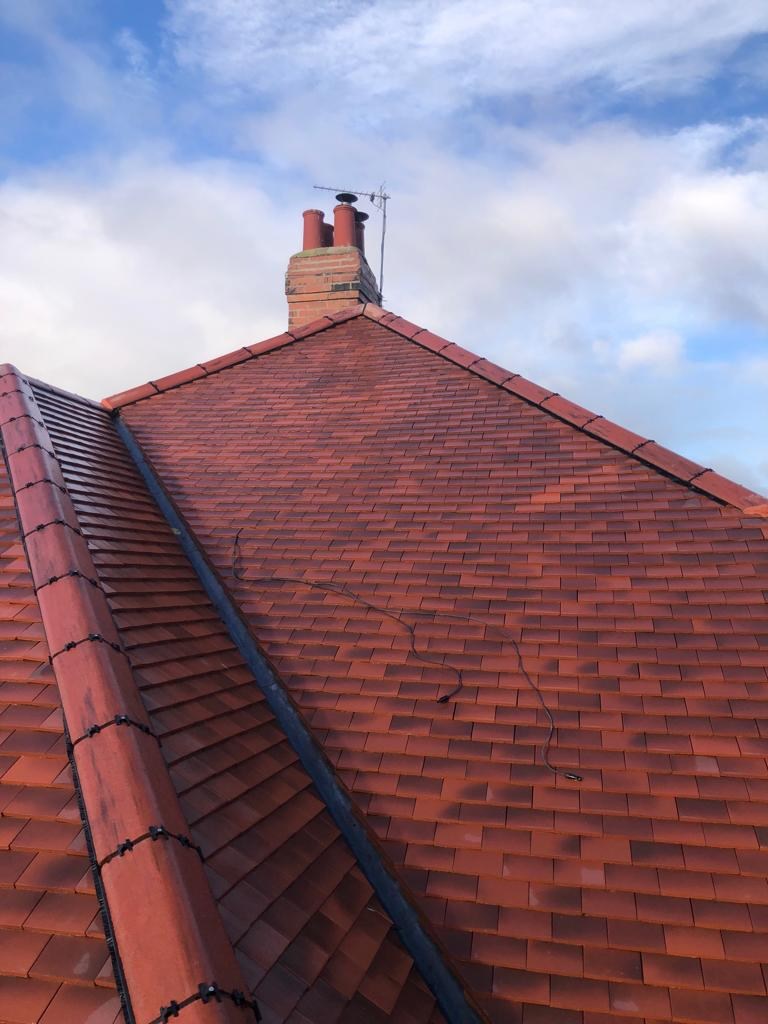
- Blows ridge tiles loose
- Tears felt on older roofs
- Damages fascia boards and gutter brackets
Signs of wind damage:
- Slipped or missing roof tiles
- Ridge tiles cracked or sitting unevenly
- Tiles found on the ground
- Guttering hanging or overflowing
Tip: After any major storm, inspect your roof visually from the ground.
3. Snow & Ice – Hidden Structural Strain
While the South sees less heavy snowfall than the North, even a short cold snap can damage a roof.
- Heavy snow accumulation can add significant weight, stressing the roof structure.
- Melting snow can refreeze at the eaves, forming ice dams. Ice dams are caused by freeze-thaw cycles and can lead to water backup under shingles, resulting in leaks and structural damage.
- Icicles can form and fall, posing a safety hazard.
Rapid temperature changes during winter can also cause thermal shock, where roofing materials expand and contract suddenly. This can lead to cracks, weakened seals, and long-term structural issues if not addressed.
How snow & ice affect your roof:
- Adds significant weight to flat and pitched roofs
- Ice expands inside tiny cracks and makes them worse
- Snowmelt can enter under lifted tiles
- Frozen gutters cause overflowing and damp patches
Signs of cold-weather damage:
- Cracked tiles after freezing temperatures
- Ice forming in gutters
- Slow, persistent winter leaks
Tip: Snow sliding from roofs can damage gutters — an often-overlooked issue.
4. Heatwaves & UV Exposure – A Growing UK Problem
How hot weather affects your roof is an important consideration for homeowners, especially as UK summers are getting hotter, with temperatures regularly hitting 30°C+.
Hot weather and rising temperatures during the summer months can cause thermal expansion and stress on roofing materials. High temperatures and direct sunlight increase heat absorption by the roof surface, leading to heat related damage and higher indoor temperatures. Extended exposure to UV radiation and direct sunlight can cause UV damage and material degradation, shortening the lifespan of roofing components. Poor ventilation can trap heat in the roof space, exacerbating heat related damage and causing further issues. To improve energy efficiency and reduce heat absorption, consider using reflective coatings or UV-resistant materials, which help maintain lower indoor temperatures and protect the roof structure. Roofs designed decades ago were not built for long periods of direct heat, making it crucial to understand how weather affect and rising temperatures can impact your roof.
How heat affects your roof:
- UV breaks down old felt and roofing adhesives
- Tiles expand and contract, causing small cracks
- Rooflines can warp in extreme heat
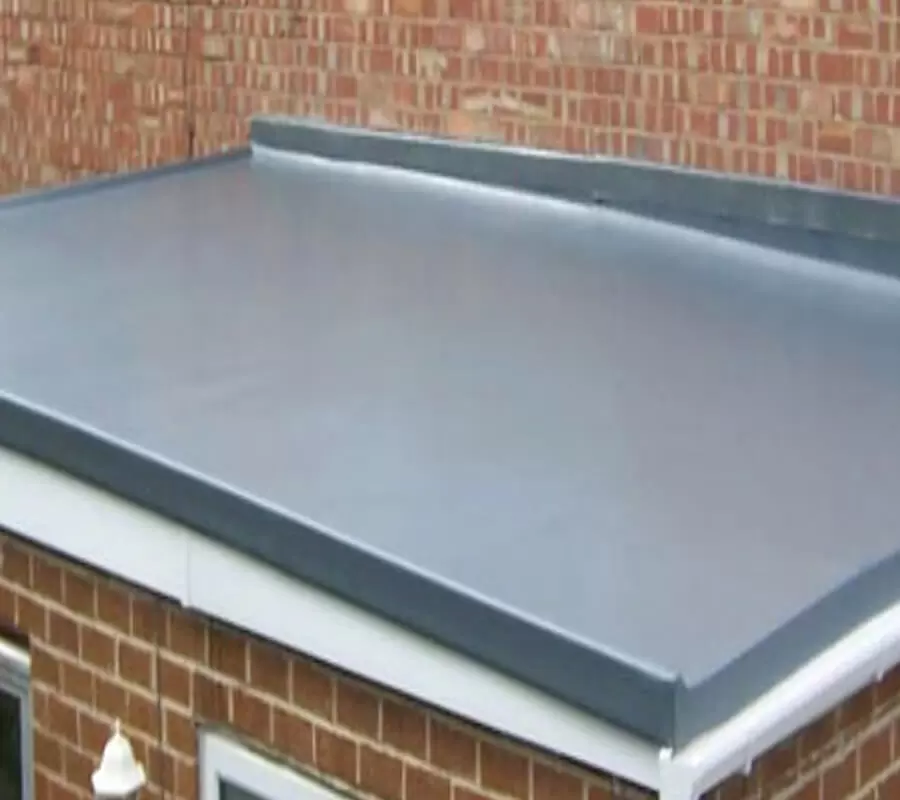
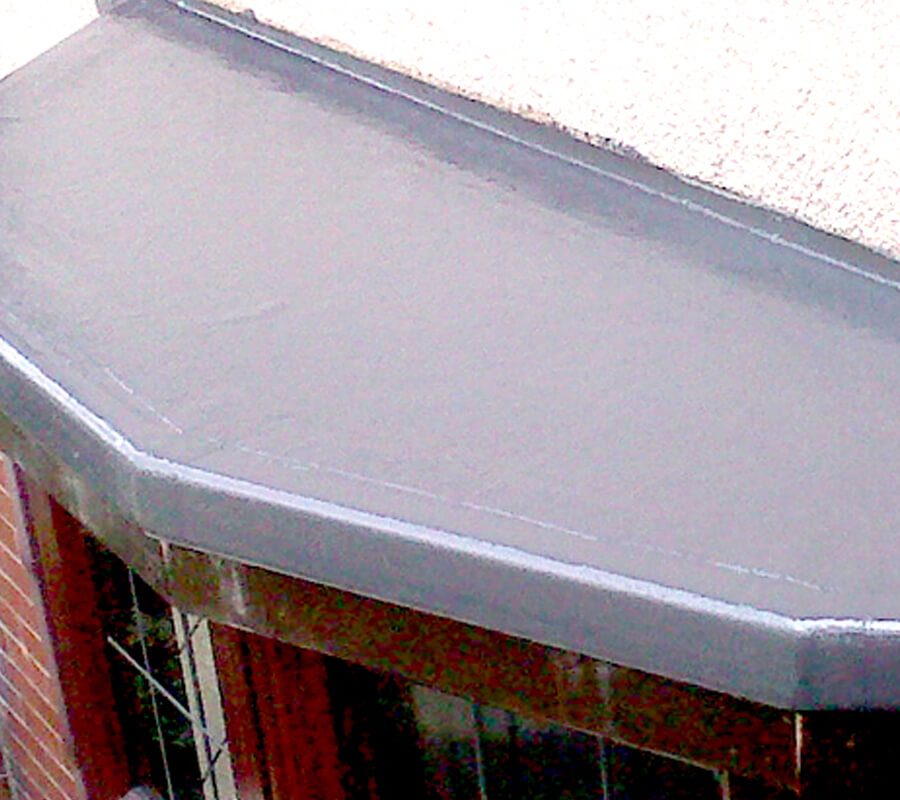
- Flat roofs blister or bubble
Signs of heat damage:
- Cracking roof felt
- Fading, brittle tiles
- Blistered flat roof membranes
- Loose gutter joints
Tip: South-facing roofs are most vulnerable to UV ageing.
5. Coastal Weather – Salt, Wind & Constant Moisture (Brighton & Sussex)
If you live near the coast, your roof faces extra challenges.
How coastal climates affect roofs:
- Salt corrosion on flashing, nails and fixings
- Stronger wind uplift forces
- Higher moisture levels cause moss and lichen growth
- Metal components deteriorate faster
Signs of coastal roof damage:
- Rusting lead or metal flashings
- Moss growth on exposed roof slopes
- Lifted ridge tiles after storms
Tip: Coastal roofs should be inspected at least once a year.
6. Moss & Algae Growth – Caused by Damp UK Conditions
Moss thrives in the UK’s moist, cool climate — especially on north-facing roof slopes.
- Over time, moss buildup can lead to creating gaps in roofing materials, increasing the risk of leaks, water ingress, and structural problems.
How moss affects your roof:
- Holds moisture against tiles
- Causes tiles to crack in winter
- Blocks gutters and valleys
- Hides early signs of damage
Signs of moss-related issues:
- Thick green moss on tile edges
- Overflowing gutters
- Slow winter leaks
Tip: Gentle removal is recommended — never pressure wash a roof.
7. Seasonal Temperature Changes – Expansion & Contraction
The UK’s frequent hot → cold → wet → dry cycles weaken roofing materials. Temperature fluctuations cause thermal expansion and contraction, which puts stress on the roof structure and can lead to cracks, gaps, or warping over time.
How temperature cycles affect your roof:
- Tiles move slightly with heat changes
- Mortar cracks
- Felt and membranes stretch and shrink
- Sealants degrade
Tip: Dry ridge and verge systems handle movement much better than old mortar-based systems.
Material Degradation and Roof Longevity
The lifespan of your roof depends heavily on how well it stands up to the UK’s ever-changing weather patterns. Roofing materials like asphalt shingles, metal roofs, and concrete tiles each have their strengths and weaknesses when faced with high winds, heavy rainfall, and intense heat. For example, asphalt shingles are prone to cracking and fading under prolonged UV exposure, while metal roofs can expand and contract with fluctuating temperatures, putting stress on fasteners and seams. Concrete tiles, though durable, can still suffer from material degradation if not properly maintained.
Regular roof inspections are your first line of defense against material degradation. By identifying early signs of wear—such as loose or missing tiles, cracked shingles, or rust on metal components—you can take preventative measures before minor issues escalate into costly repairs. Ensuring proper ventilation and keeping gutters clear of debris will help maintain your roof’s structural integrity and reduce the risk of moisture buildup. Opting for UV-resistant materials and scheduling routine maintenance can further extend your roof’s lifespan, helping it withstand the unpredictable weather and extreme conditions that are all too common in the UK.
Extreme Weather Events and Roof Preparation
Extreme weather events can strike with little warning, making preparation key to minimizing roof damage. High winds, heavy rain, and sudden storms can all take a toll on your roof’s structure, especially if there are existing vulnerabilities. To safeguard your home, start by trimming back overhanging tree branches and securing any loose items in your garden that could become dangerous projectiles during high winds.
Investing in a professional roof inspection is one of the most effective preventative measures you can take. An expert can identify weak points, loose tiles, or areas where water might penetrate, allowing you to address these issues before severe weather hits. Regular maintenance, such as clearing gutters and checking for signs of wear, further reduces the risk of damage. By taking these proactive steps, you can ensure your roof is ready to withstand extreme weather, keeping your home safe and reducing the likelihood of costly repairs down the line.
How to Protect Your Roof from UK Weather Damage
✔ Annual Roof Inspection
A professional check once a year prevents 90% of major roofing failures.
✔ Post-Storm Checks
After heavy rain or strong winds, look for slipped tiles or debris.
✔ Keep Gutters Clear
Blocked gutters cause damp, internal leaks and rotten fascia boards.
✔ Maintain Flat Roofs Properly
Look for bubbling, splits or standing water.
✔ Replace Damaged Leadwork Early
Most leaks start around flashing and joints.
✔ Use Modern Dry Ridge & Verge Systems
They’re weatherproof and far more durable than mortar.
✔ Fix Problems Quickly
Waiting for “the next dry spell” can double or triple repair costs.
Need Weather-Proof Roofing in Brighton or Sussex?
BrightonRoofers specialise in protecting homes from the UK’s harsh and unpredictable climate.
We offer:
- Roof repairs
- Leak detection
- Tile & slate replacement
- Flat roofs (EPDM, GRP, felt)
- Storm damage repairs
- Leadwork & flashings
- Roofline repairs
- Full roof replacements
📞 Call 01903 801 066
📧 info@brightonroofer.co.uk
Fast, honest and reliable roofing support across Brighton & Sussex.