Why Is My Roof Leaking? 12 Common Causes & How to Spot Them (2025 Guide)
A leaking roof can be one of the most frustrating and stressful problems a homeowner will ever face – and for good reason. What starts off as a small damp patch can all too quickly turn into big-time structural damage, ruined insulation, mould, and pricey repairs. If you don’t act fast to sort it out, a roof leak can quickly snowball out of control and leave you facing an even more costly bill to fix the damage to your property.
But here’s the thing: roof leaks aren’t always where you’d expect them to be – and the source of the leak is often a different part of the roof from where the water appears inside your house.
In this guide, we’ll break down the 12 most common causes of roof leaks, how to spot each one, and what you should do next.
1. Damaged Roof Tiles
What goes wrong:
Roof tiles can crack, slip, or lift due to everything from storms and strong winds to moss growth, frost damage, or just plain old age.
How to tell:
- Look out for visible cracks or missing tiles – they’re often the first sign of a roof leak in the making.
- Patches of daylight visible in the loft – that’s never a good sign.
- Localised drips during rainfall – it might be a small leak now, but it’ll only get worse if you don’t sort it out.
- A clear drip line down the rafters – that’s a sure sign of a roof leak.
Fix: Get those damaged tiles replaced ASAP and check the surrounding felt and battens while you’re at it.
2. Cracked or Damaged Lead Flashing
What causes problems:
Lead flashing around chimneys, walls, and roof joins can split due to expansion, storm movement, bad installation, or if it was put in wrong in the first place.
How to identify:
- Look out for damp patches around chimney breasts – those are a dead giveaway.
- Leaks where the roof meets the brickwork – that’s not what you want to see.
- Check the flashing from outside – if it’s split or lifted, that’s a clear sign your roof might be leaking.
Fix: Get the flashing sorted out and replaced with some proper Code 4 or Code 5 lead.
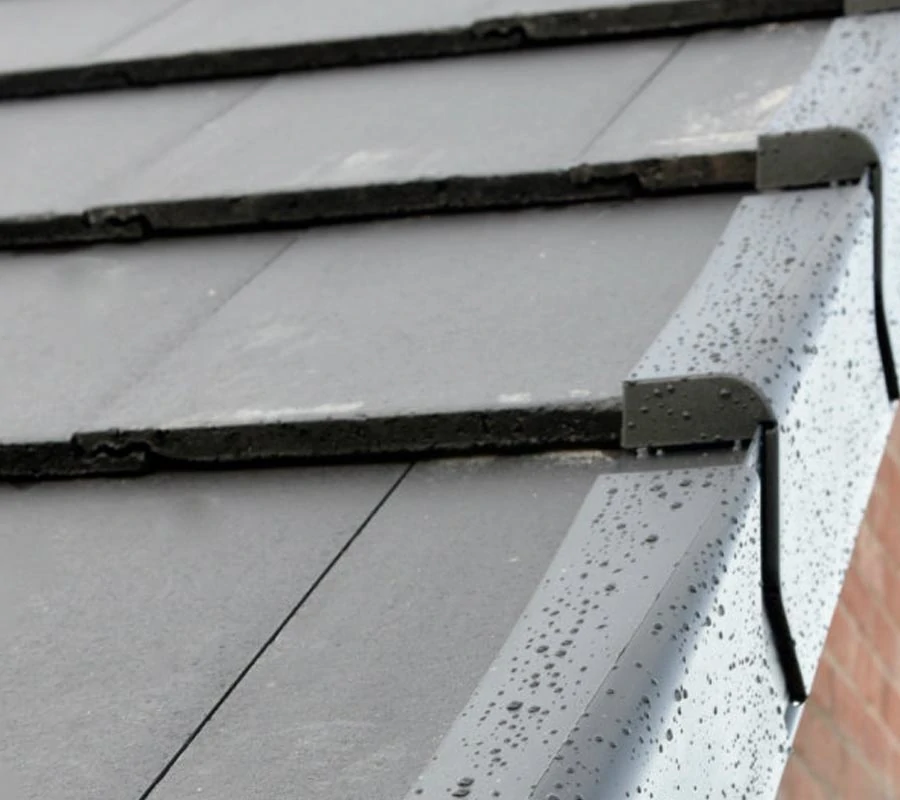
3. Faulty or Blocked Roof Valleys
Why it happens:
Roof valleys are a high-pressure area on your roof – they channel loads of water, which can cause serious problems if the blockages, cracks, or corroded lead get in the way.
How to tell:
- Damp marks right beneath the valley – that’s a clear warning sign.
- Overflowing water during rain – not good.
- Visible cracks or sagging in the valley trough – that’s a big red flag.
Fix: Clear out the debris or replace the valley leadwork/GRP valley – it’s not a job to be underestimated.
4. Failing Roofing Felt or Underlay
What goes wrong:
Roofing felt just gets brittle and breaks down after years of exposure to the elements.
How to identify:
- Random leaks despite looking like all the tiles are still intact – that’s not normal.
- Torn or sagging underlay visible in the loft – that’s a classic sign of a failing roof.
- Signs of dampness or water ingress in the roof space – don’t ignore those.
- Older roofs (20+ years) often start to show signs of this – it’s just a fact of life.
Fix: Get the affected sections sorted out – or maybe it’s time for a full re-roof.
5. Nail Sickness (Older Roofs)
What causes problems:
Steel or copper nails just rust and disintegrate with age – that allows tiles or slates to slip and create leaks.
How to identify:
- Look for slipped tiles – that’s a big sign of nail sickness.
- Crumbled nail fragments in the gutters – not a pretty sight.
- Multiple small leaks across the roof – that’s a classic sign of a nail-sick roof.
Fix: A full strip and re-tile is usually the best option – and often the most cost-effective way to go.
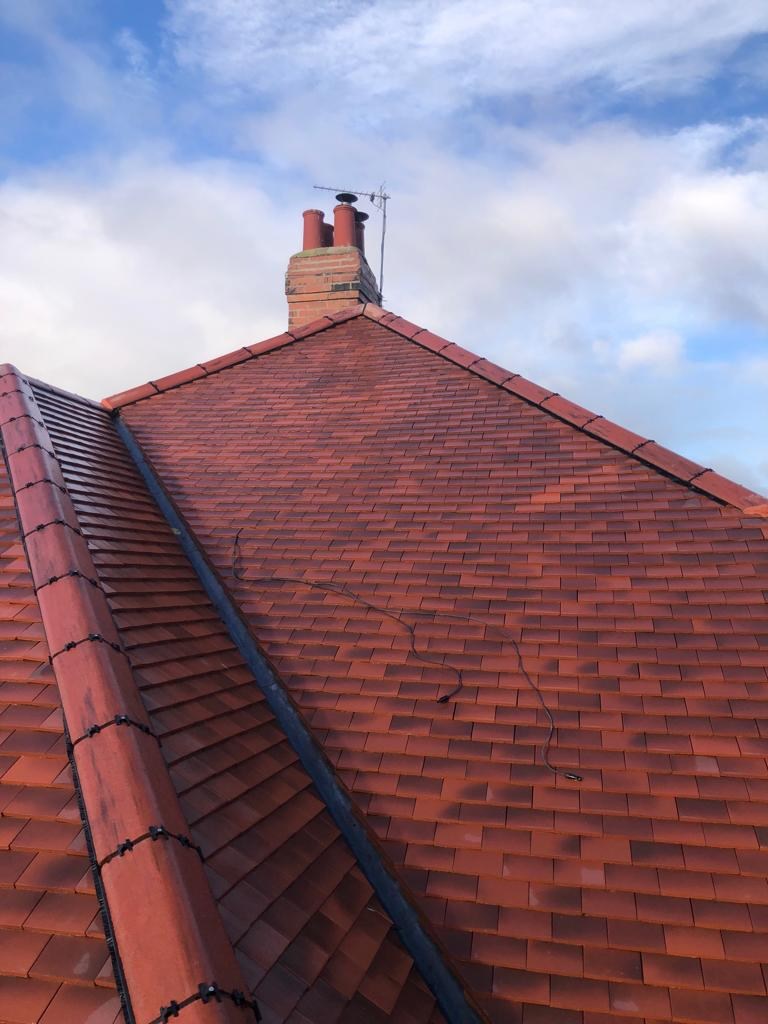
6. Cracked Ridge or Hip Tiles
What goes wrong:
Extreme wind or mortar failure can loosen ridge tiles, letting water in from the top of the roof.
How to identify:
- Damp patches in upper ceiling rooms – that’s a clear sign of a problem.
- Visible cracks in ridge mortar – not a good sign.
- Movement or rattling in high winds – that’s a cause for concern.
Fix: Get those ridge tiles re-bedded or replaced – and consider upgrading to a dry ridge system while you’re at it.
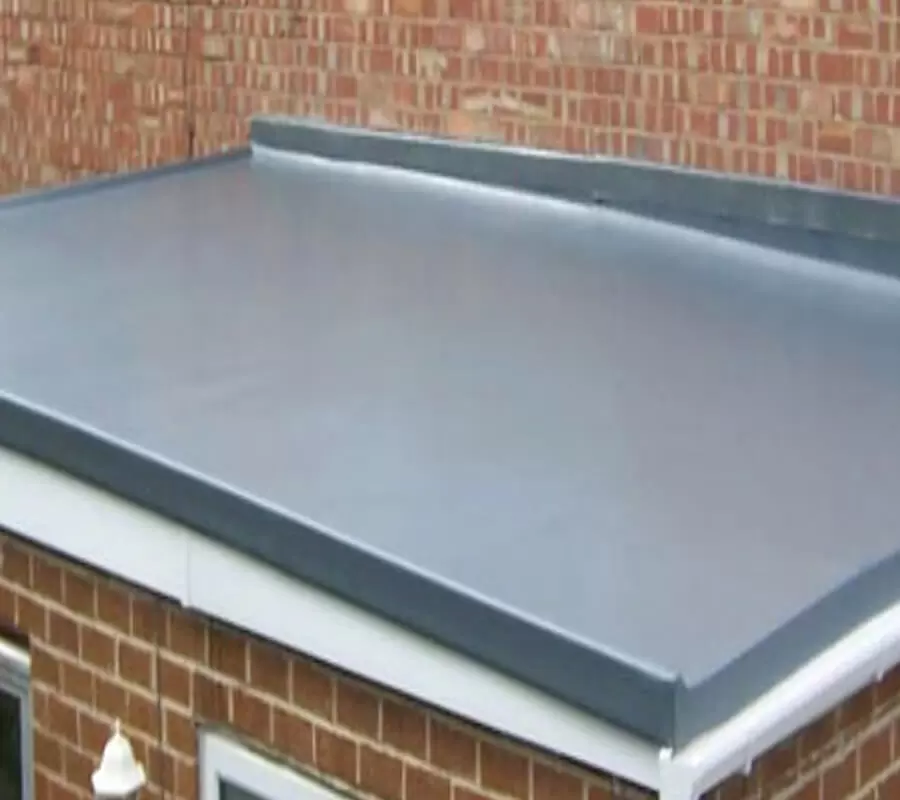
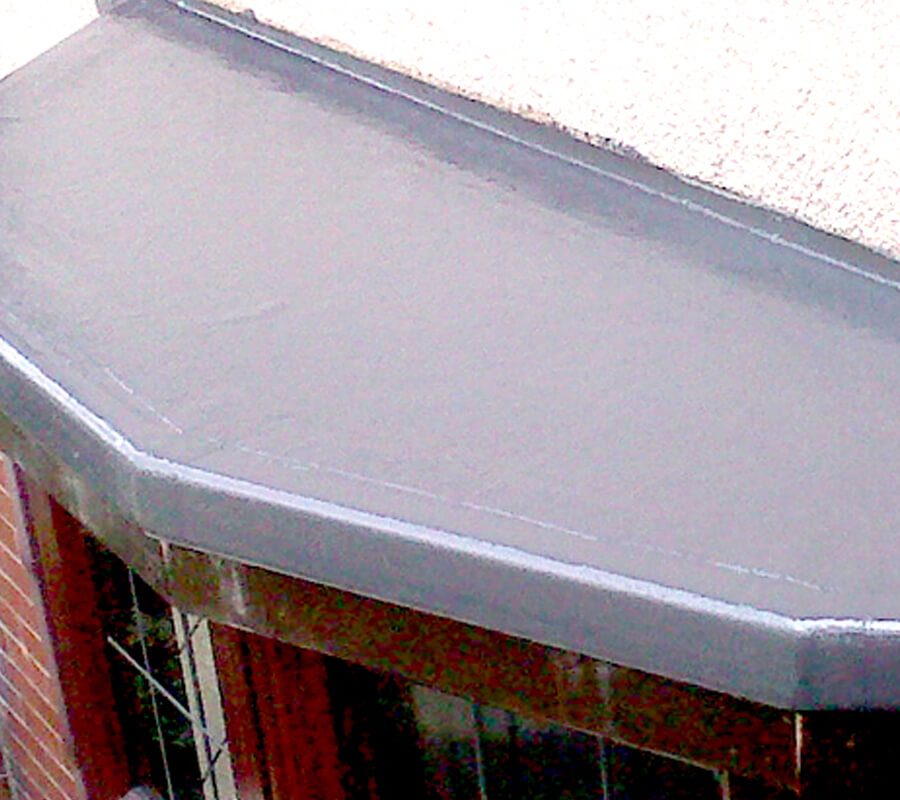
7. Flat Roof Membrane Failure
What causes problems:
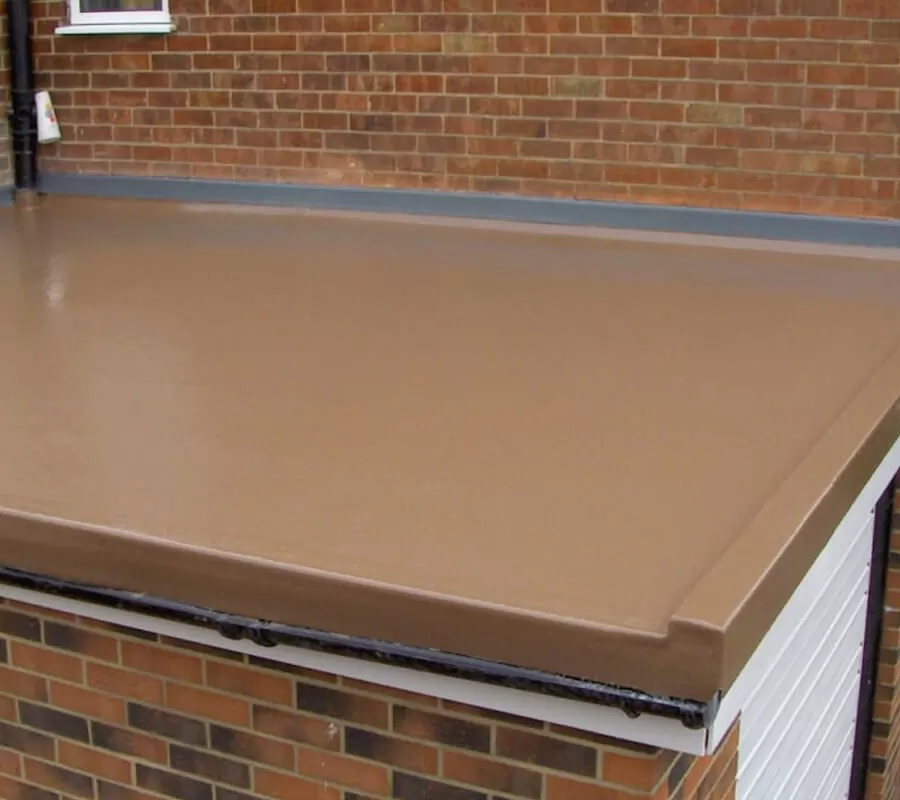
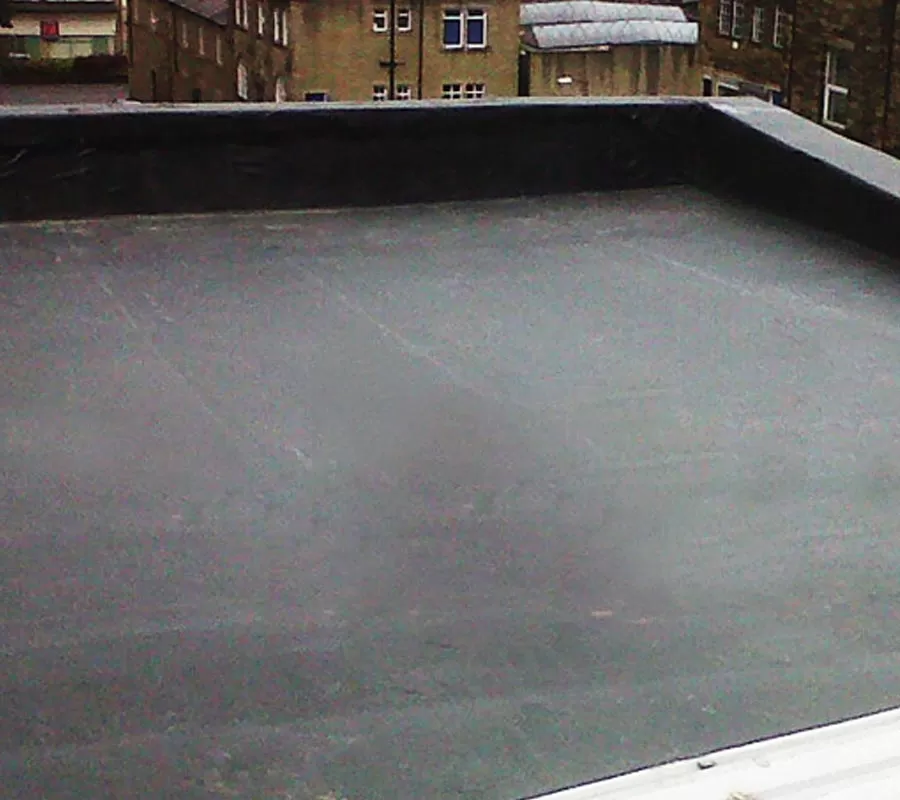
Felt, EPDM, and GRP flat roofs can crack, blister, or split due to UV damage or poor installation. Cheap materials can also contribute to early deterioration and leaks.
How to identify:
- Water pooling on the roof – that’s never a good sign.
- Soft, spongy areas on the surface – that’s a clear sign of a problem.
- Leaks directly below roof lights or edges – don’t ignore those.
Fix: Patch repairs or a full flat roof replacement – whichever is best for your situation.
8. Clogged or Faulty Gutters
What causes problems:
If your gutters get clogged, water can push back under tiles and into the roofline – and that’s a disaster waiting to happen.
Clogged gutters, especially during autumn, are a frequent cause of water overflow and leaks. Debris buildup can obstruct water flow, leading to reduced drainage during rainstorms and increasing the risk of leaks. Regular cleaning is a must to prevent these issues.
How to identify:
- Water running behind the gutter – that’s a clear sign of a problem.\
- Damp marks on exterior walls – those are a key indicator of guttering issues.\
- Overflow during rain – not a good sign.
Fix: Get the debris out and reseal any loose joints.
9. Chimney Problems
Chimney stacks gradually deteriorate over time – the spewing cracks, crumbling mortar, or pots coming loose.
How to tell it’s a problem:
- You find damp around your chimney breast
- Leaks start showing up on your ceiling near the stack
- Cracks appearing in the render or mortar
Fix: You’ve got a few options – repointing, re-flaunching or a full-on chimney repair.
10. Condensation (Often Mistaken for a Leak)
What causes it:
Warm air running into the cold loft is the perfect setup for condensation droplets to form, making it look like you’ve got a roof leak on your hands.
How to spot it:
- Damp insulation showing up in the loft
- No obvious leak source
- Condensation droplets on the roofing felt
- Take a closer look in the attic for damp insulation or condensation on surfaces
- Problem gets a lot worse in the winter
Fix: Just sort out some proper ventilation and insulation and you’re good to go.
11. Poor Ventilation or Blocked Roof Vents
What happens:
Insufficient ventilation lets moisture build up, and before you know it, damp patches start to show up – just like a leak.
How to spot it:
- Mould starts growing around the upstairs ceilings
- The loft space starts to feel hot and humid
- Musty smells are hanging around
Fix: Just chuck in some ridge vents, soffit vents or upgrade to one of those dry ridge / dry verge systems.
12. Storm Damage
What happens:
Strong winds can cause all sorts of damage – tiles get lifted, fixings get loose, underlay tears, chimney flashings get damaged the lot.
How to spot it:
- You get a sudden leak after a storm
- You find debris or tiles scattered around on the ground
- Take a closer look at your roof for missing tiles – storms or high winds can dislodge these and leave gaps that start leaking
- Visible gaps between tiles
Fix: Do an emergency repair followed by a full on inspection to make sure everything is alright.
How to figure out where the leak is coming from
Here’s a simple trick:
- Inspect the attic or ceiling for water stains or discoloration – it’s a pretty dead giveaway.
- Look for any signs of moisture – damp insulation, mold, musty odors. Also check for dripping water – that’s a clear sign of a leak and should help you locate the source.
- Follow the trail of water back to its source – that’s usually where the problem starts.
1. Can the leak be made worse by the rain?
- YES → Roof problem (Leaks are often a lot more noticeable during heavy rain, so check if the issue gets worse after a downpour.)
- NO → Likely condensation or internal plumbing
2. Inspect the loft
Follow the damp patches UP the rafters – the highest point of damp is usually the source of the leak. Look for water stains on the rafters or insulation – that’s clear evidence of a leak and will help you spot the affected area early.
3. Look outside
Take a gander at the tiles, flashing, gutters, valleys and the general condition of your roofing materials from the ground. Look out for any signs of damage, wear or compromised materials that could be leading to leaks.
4. Book a proper inspection
Loads of roof leaks are invisible from inside or outside. It’s a good idea to get your roof looked at by a qualified pro, as they can spot hidden issues that you might not notice.
Should You Repair or Replace a Leaking Roof?
Choose repair if:
- Leak is small
- Tiles or flashing are damaged but the rest of the roof is okay
- Problem is localised
Choose replacement if:
- Roof is over 30 years old
- Multiple areas have failed
- Widespread underlay damage
- Nail sickness is an issue
- Leaks keep coming back
A roofer can tell you which option is most sensible and cost-effective.
How to stop Future Leaks
- Annual roof inspections
- Keep those gutters clear
- Trim any overhanging branches nearby
- Install dry ridge and dry verge systems
- Make sure chimney flashing is in good nick
- Ensure loft is getting good ventilation
- Get rid of any heavy moss build-up
Doing regular maintenance, like annual inspections, is key to preventing leaks and saving yourself a fortune on water damage.
A bit of effort now = big savings later.
Worried Your Roof Is Leaking? We Can Help
At BrightonRoofers, we specialise in finding and fixing leaks fast and to a high standard.
We offer:
- Free onsite inspections
- Emergency roof leak repairs
- Roof leak repair
- Tile, slate, ridge, and valley repairs
- Chimney flashing and leadwork repairs
- Flat roof leak detection
- Full roof replacements
📞 Ring 01903 801 066or request your free leak assessment now.
Roof Leak FAQs
What’s the most common cause of a roof leak?
Broken or slipped roof tiles are the most common cause of leaking roofs. A leaky roof is most often caused by broken or slipped tiles, but other factors can come into play. Other frequent causes include damaged flashing, cracked valleys, failed underlay and storm damage.
How do I know if my roof leak is seriously bad?
If you’re seeing ceiling staining, a water stain on the ceiling or wall, or you notice dripping, sagging plaster – or even just a general dampness around electrical fittings – then it’s a pretty serious situation and needs some urgent attention. Don’t just ignore that water stain: that’s a clear sign that the leak is no joke and should be taken care of right away. Leaks tend not to fix themselves, and they can get a whole lot worse in a pretty short space of time.
Will a roof leak just sort itself out?
No way. Roof leaks aren’t like cuts that heal on their own – they need fixing. And even small leaks can keep damaging insulation, rafters, plasterboard and electrical wiring – the sooner you get it sorted the cheaper the fix is going to be.
Why only does my roof leak when it’s really pouring down?
That usually suggests there’s a weakness in your flashing, or maybe it’s a problem with your valleys, ridge tiles or underlay. When it rains heavily it can get in through these weak points and let water into your roof. It might only be when it’s really coming down that you notice the leak, but light rain isn’t strong enough to get through, and a bit of wind just makes the problem worse.
Can condensation be mistaken for a roof leak?
Yeah, it’s easy. If you’re getting drips coming down from your loft which could be just condensation, rather than a problem with the roof itself – and it’s cold, but there’s no rain – then it’s probably just condensation rather than a major roof leak.
What are my first moves if I spot a roof leak?
Well, first off try to contain the leak with a bucket or a towel, switch off any electrics that are in the same area as the leak, and then get up into the loft to see if you can spot any water trails. Then give a roofer a call to come and do a proper inspection and fix the thing.
How do roofers figure out where the leak is?
Roofers use all sorts of tools like moisture metres, thermal imaging cameras, and a good old fashioned loft inspection to figure out where the leak is coming from – and then they’ll get up onto the roof itself to take a look at the tiles, the lead flashing, the valleys, and the underlay.
Can one dodgy tile cause a leak?
Yeah, it can. A single tile that’s cracked or slipped out of place can let all sorts of water in beneath the roof covering and do some real damage to the felt, the rafters, and the ceilings.
How much is it going to cost to fix a roof leak?
It depends how bad it is, but minor repairs might cost around £80-£250, while bigger problems like valley replacement or flashing repairs can be a lot more expensive – we’re talking £300-£1,500 or so. And if you need a new roof it’s going to cost even more, depending on the size of the job.
Does a leaking roof get covered on home insurance?
Storm damage is usually covered, but if you’ve just let your roof get really old and worn out through lack of maintenance, then that’s not something that insurance is going to cover. A roofer will need to do a report to help with the insurance claim.
Can my gutters cause a roof leak?
Yeah, they can. If they get blocked up, you can end up with water coming back underneath the tiles at the eaves – which means you’ll get leaks and damp patches inside the house.
How quickly should I get a roof leak sorted?
Right away. Even a small leak can cause all sorts of problems like hidden damage to your structure, mould, timber rot and electrical hazards – so don’t leave it.